

Screen to Prevent (STOP) Colon Cancer
The Screen to Prevent (STOP) Colon Cancer project works to raise colorectal cancer screening rates in Federally Qualified Health Centers (FQHCs) in California, Oregon, and Washington State using fecal immunochemical testing (FIT).
The five-year project evaluates the effectiveness of the program in real-life practice conditions and is led by scientists and physicians at Kaiser Permanente’s Center for Health Research, Group Health Research Institute, and OCHIN. The project is funded by the National Institutes of Health Common Fund Health Care Systems (HCS) Research Collaboratory program.
Visit the Materials section of the website to find a variety of downloadable educational materials, including wordless instructions for multiple FITs, reminder and results letters, clinic posters, and workflow job aid templates.
Evaluation: The project began with a pilot study that found significant improvements in FIT completion rates for clinics in the STOP intervention. Visit the Findings section of the website to learn more.
Permissions: Made publicly available online by Kaiser Permanente Center for Health Research.
Publication date: 2014
Post date: September 20, 2017
Contact: Send comments, questions, and suggestions to [email protected].
Explore More
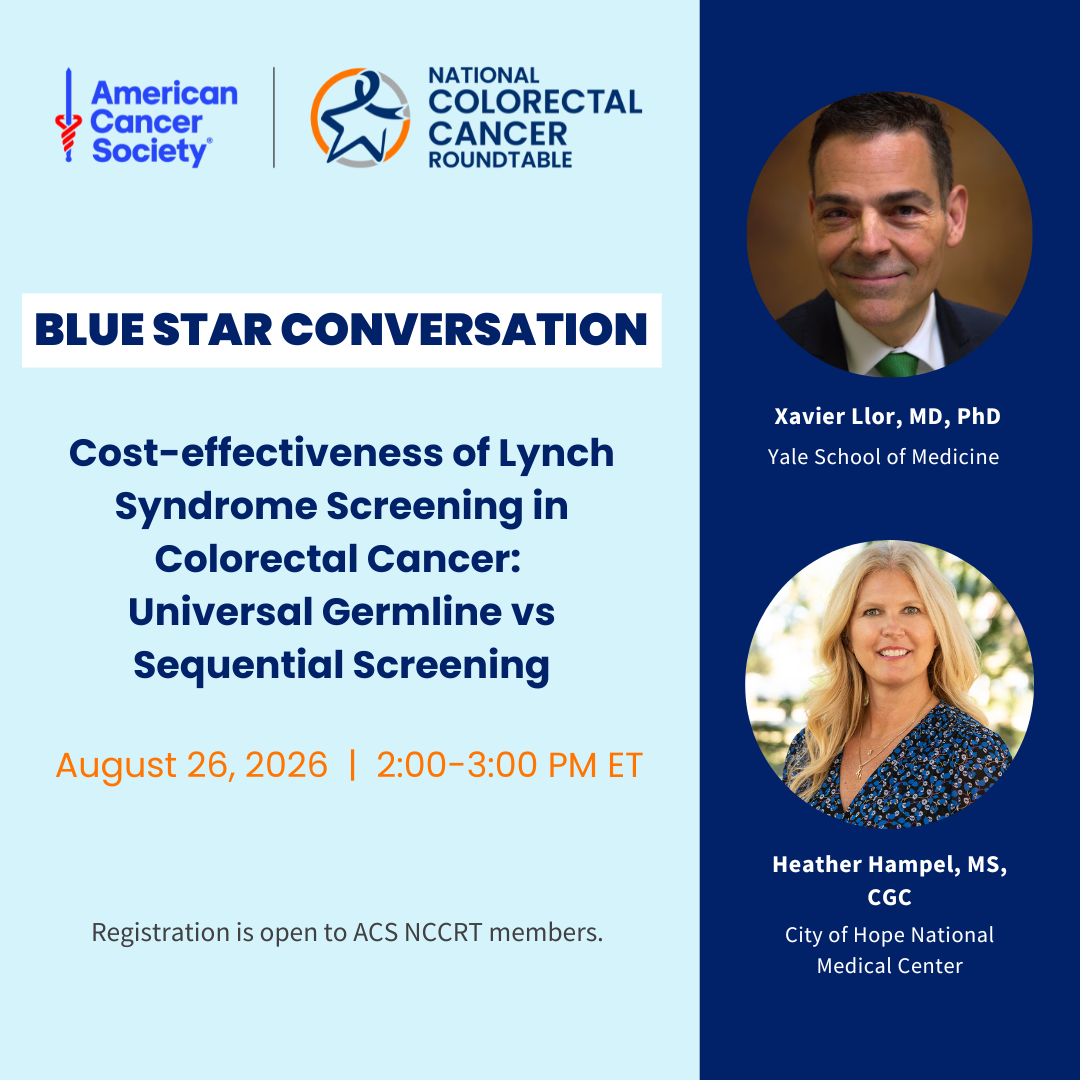
Blue Star Conversation: August 27, 2026
This Blue Star Conversation explored how expanded Lynch syndrome screening, including universal germline testing, could improve outcomes, increase testing rates, and identify more individuals with Lynch syndrome.
Webinar: Inside the New ACS Colorectal Cancer Screening Guidelines
This webinar provides an in-depth overview of the newly updated ACS CRC screening guidelines and the evidence supporting them, offering clarity on what these changes mean for screening and early detection.

Increasing Colorectal Cancer Screening in Rural Communities: A Practical Guide
This guidebook is designed to support key community partners in understanding and overcoming the unique challenges and common barriers to CRC screening faced in rural communities.