CRC News: April 1, 2026
Welcome to the latest edition of CRC News, the American Cancer Society National Colorectal Cancer Roundtable (ACS NCCRT) newsletter for ACS NCCRT members and partners working together to save more lives from colorectal cancer (CRC).
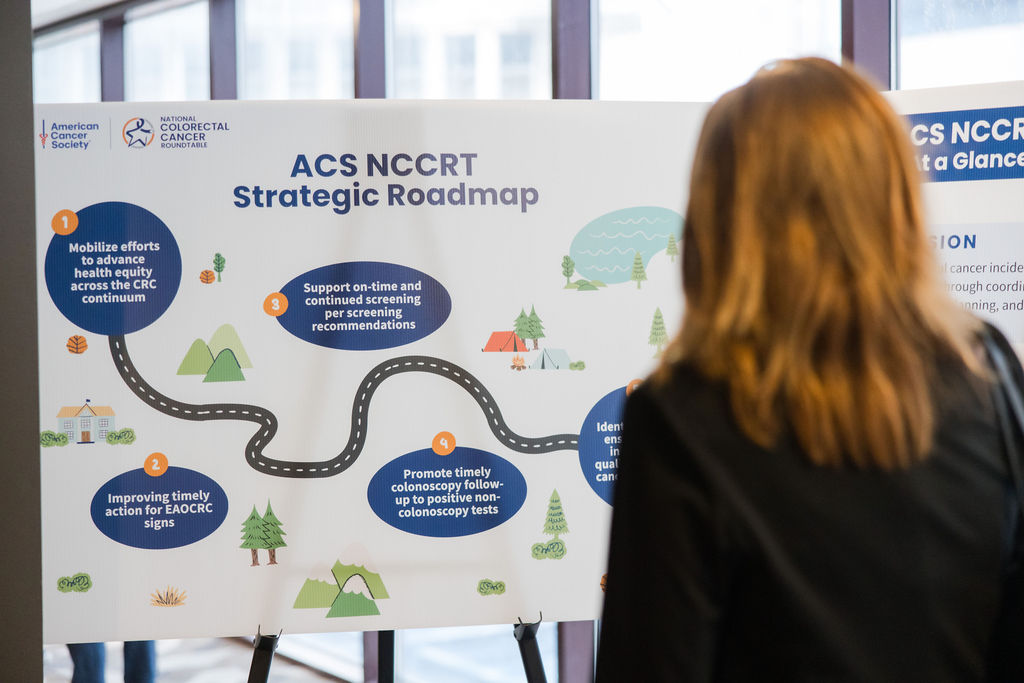
2026-2029 ACS NCCRT Strategic Roadmap Launched April 1
The Roadmap Provides a Collective Vision Forward for the Roundtable
During the March 18 Webcast, the ACS NCCRT was pleased to share that we completed and published our 2026-2029 ACS NCCRT Strategic Roadmap, which took effect yesterday, April 1, 2026. This new roadmap expands our focus across the full colorectal cancer (CRC) continuum, strengthening our commitment to prevention, early detection, timely diagnosis, high quality treatment, and health equity. It reflects years of collaboration, listening, and learning, and it charts a clear path toward achieving greater and longer lasting impact.
Throughout the next three years, we’ll work together to:
- Accelerate evidence-based strategies that increase CRC screening rates and close gaps in care
- Amplify best practices across the CRC continuum from communities, health systems, and partners nationwide
- Support innovation that advances early-age onset CRC awareness and response
- Strengthen partnerships that move us closer to our shared vision of reducing CRC mortality and disparities for all people
We look forward to working alongside each of you as we bring this roadmap to life.
ICYMI: ACS NCCRT Announces Four New National Achievement Awardees
The Awardees’ Work Will Be Showcased Throughout 2026
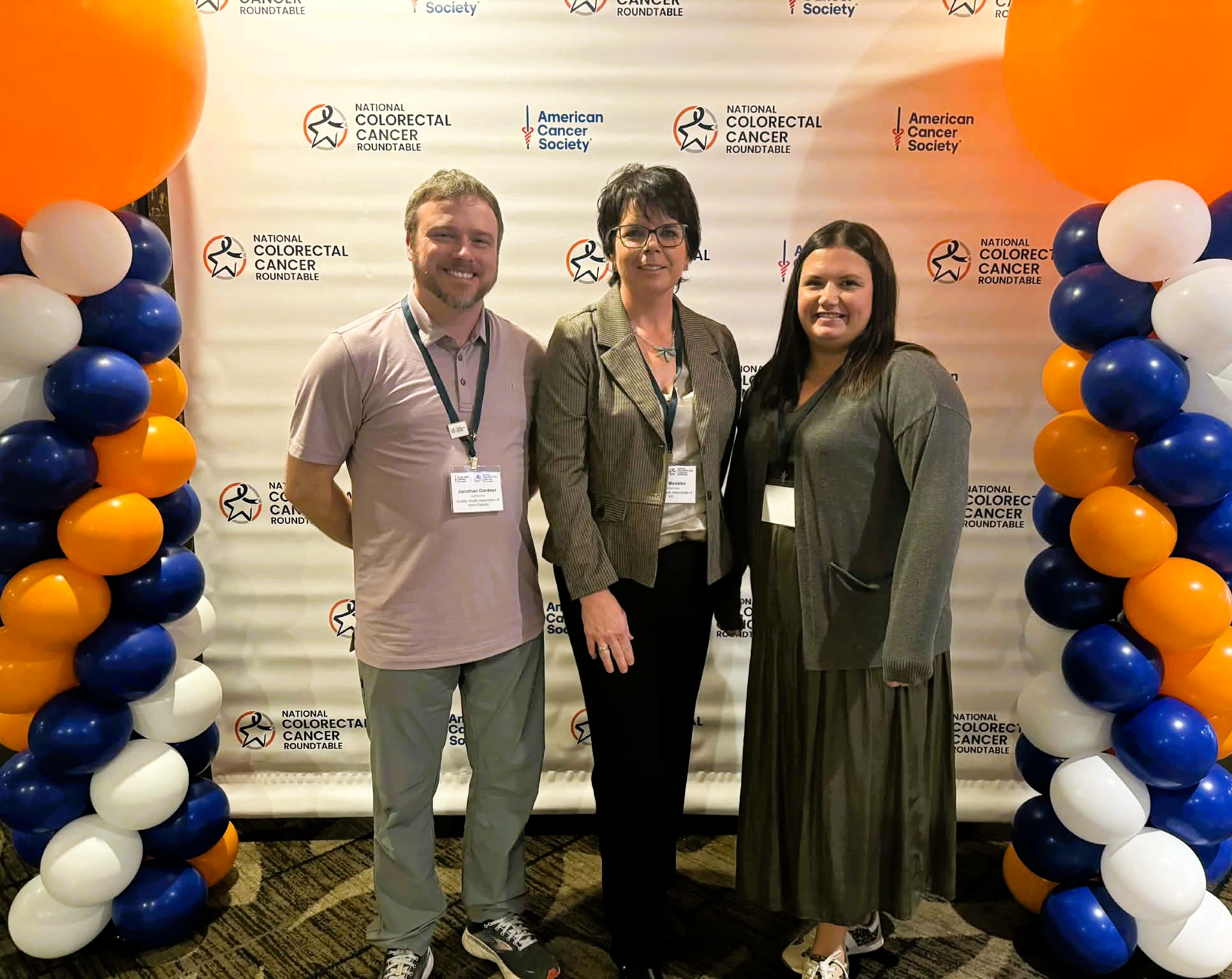
On March 16, the ACS NCCRT announced four new organizations that will be highlighted throughout 2026 for their extraordinary work to reduce the incidence of and mortality from CRC across the U.S. through the ACS NCCRT National Achievement Awards. This year’s recipients are ScreeND at Quality Health Associates of North Dakota (Grand Prize, CRCCP), the Bridging Research Innovation Advocacy and Value-Centric Excellence in Young-Onset Colorectal Cancer Program at The University of Texas MD Anderson Cancer Center (Health System Treatment Program), the Fred Hutch/ UW Medicine Population Health Colorectal Cancer Screening Program (Health System Screening Program), and MNGI Digestive Health (Links to Care Program).
Look forward to seeing their work highlighted throughout the next year on the ACS NCCRT website, on webinars, and at the 2026 ACS NCCRT Annual Meeting.
We hope you will join us in recognizing their accomplishments by viewing and sharing the press release, amplifying our posts on social media (X and LinkedIn), or by viewing our recently recorded National CRC Awareness Month Webcast.
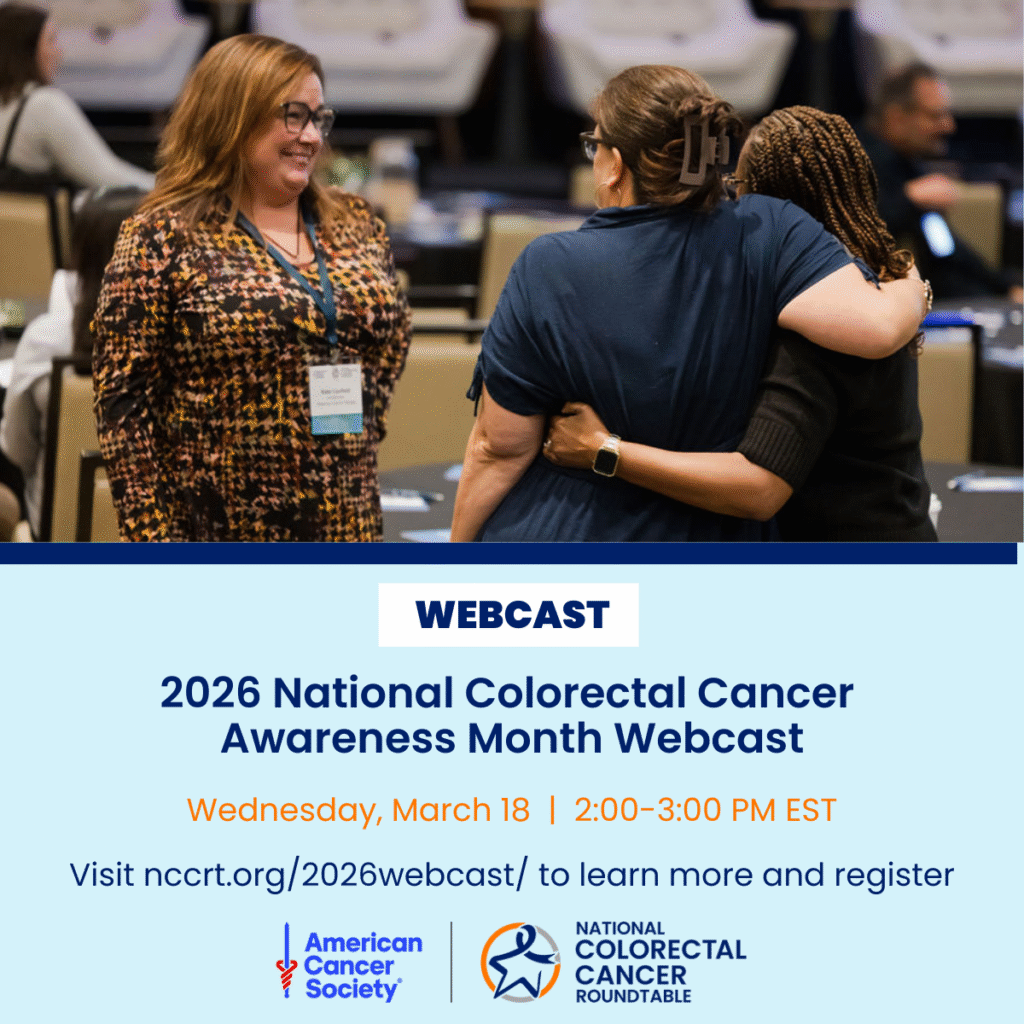
ICYMI: 2026 March Webcast Recording Available
The Webcast Introduced the Strategic Roadmap to our Members Last Week
This year’s annual National CRC Awareness Month webcast spot lit national achievements across the CRC community and provided the latest state‑of‑the‑field updates that guide our collective efforts to reduce CRC mortality and disparities. This year’s theme was “Uniting for Equity Across the CRC Continuum,” with speakers Rebecca Seigel, Bill Thach, staff from ScreeND, the 2026 ACS NCCRT National Achievement Grand Prize Winner, and our ACS NCCRT chairs. The webcast also outlined the strategic roadmap, and a recording is now available on our website.
New ACS Research: Mortality Disparities Widen in Rural Areas Compared and Urban Areas
Two New Studies Highlight the Increase in Cancer Burden in Rural Areas
ACS researchers have recently published two studies showing higher cancer mortality rates for those living in rural areas due to access to care issues, including specific survivorship care, lower screening rates, higher poverty, and several other factors. While trends prior to 1990 and 2000 showed higher overall cancer mortality in large and medium-sized metropolitan areas, newer data has shown that trend is reversing. From 2021-2023, non-metropolitan areas with the smallest urban population had the highest cancer mortality rates and large metro areas had the lowest. Data trends shows that the gap continues to widen between these two geographic groups across lung, CRC, and breast cancers.
The ACS NCCRT has recognized that rural areas may have specific needs to increase CRC screening and created a guidebook for those working in rural communities in 2025. View the practical guide here.
Many thanks for the great work you do!
The ACS NCCRT Team
Do you have a colleague that would like to be added to receive our newsletter? Please encourage them to sign up to receive CRC News by following the link and scrolling to the bottom of the page to fill out the contact form.