Interview with Peoples Health – 2025 National Achievement Award Honoree
Date: December 11, 2025
As part of a series, the ACS NCCRT is thrilled to highlight our 2025 National Achievement Award Winners with in depth blogs on their work. Below you’ll find the final interview with our 2025 awardees about what they did to increase colorectal cancer screening (CRC) rates as well as their lessons learned from their efforts.
Quick Stats
Organization: Peoples Health
Interviewee: J. Brent Wallis, MD, Chief Medical Officer
The Interview
When and why did Peoples Health decide to focus on increasing colorectal cancer (CRC) screening?
Peoples Health (PH) has been focusing on quality gap closures including CRC for over a decade under the Centers for Medicare and Medicaid (CMS) Star Rating program. We are a founding supporter of Taking Aim at Cancer in Louisiana (TACL) which was formed by the then Louisiana Governor and Health Secretary in 2018 to focus cancer at the State level. Since then, PH has increased its efforts to ensure our members, especially those who are disadvantaged or living in healthcare deserts, have access to cancer screening modalities to improve outcomes.
Did Peoples Health set a CRC screening goal? If so, what was it and how did you measure it? What was the final outcome?
Yes. We set two goals because calculation rates differ. For Health Effectiveness Data and Information Set (HEDIS) measures and the CMS Star Rating program, we set a goal of 81% screened for CRC. For TACL, we set a goal of 50% screened, which requires 12 months of continuous enrollment. This was measured by claims data and chart review. PH reached rates of 74.57%, 74.59%, and 75.11% in 2023, 2024, and 2025 respectively, achieving 4 out of 5 Stars in the CMS program. For TACL, we achieved rates of 52.1%, 53.9%, and 54.1% from 2022-2025, respectively. Screening rates in rural areas of the State trends slightly lower than those in non-rural areas. As we continue to grow in these underserved locations, we are focusing additional efforts to close this gap in screening.
Did Peoples Health have a colorectal cancer screening champion for your efforts on staff or in the community? If so, who were they and how did you engage them?
Both. Internally at PH, we have registered nurse (RN) care coordinators and a nurse-led quality division. These team members work to ensure screening compliance and other gap closures while also identifying and addressing social determinants of health. We also use our close connections with our network providers to identify strong performers and share best practices across the network. In our monthly performance management meetings conducted with 70% of our provider groups, we detailed the requirements, goals, and performance and provide support and strategies to improve success for CRC screening.

What interventions or activities did Peoples Health use to increase colorectal cancer screening rates?
We approach CRC screening with both provider and member interventions.
For the providers, we used Electronic Medical Record (EMR) access to search for member records and screening, obtained standing orders from providers, partnered with Quest for Fecal Occult Blood Testings (FOBT) testing and Cologuard (mt-sDNA) for in home testing, provided monthly provider report cards and real-time access to gap portals, developed quality incentives and value-based agreement with shared savings based on quality performance and outcomes. Over 60% of the network Primary Care Providers (PCPs) are in Value-Based Agreements (VBAs) and over 80% of the PCPs participate in incentive programs. We also facilitated outreach via mail to members directly from their providers with education and screening resources. We provided extensive online and in-person education for the PH provider network.
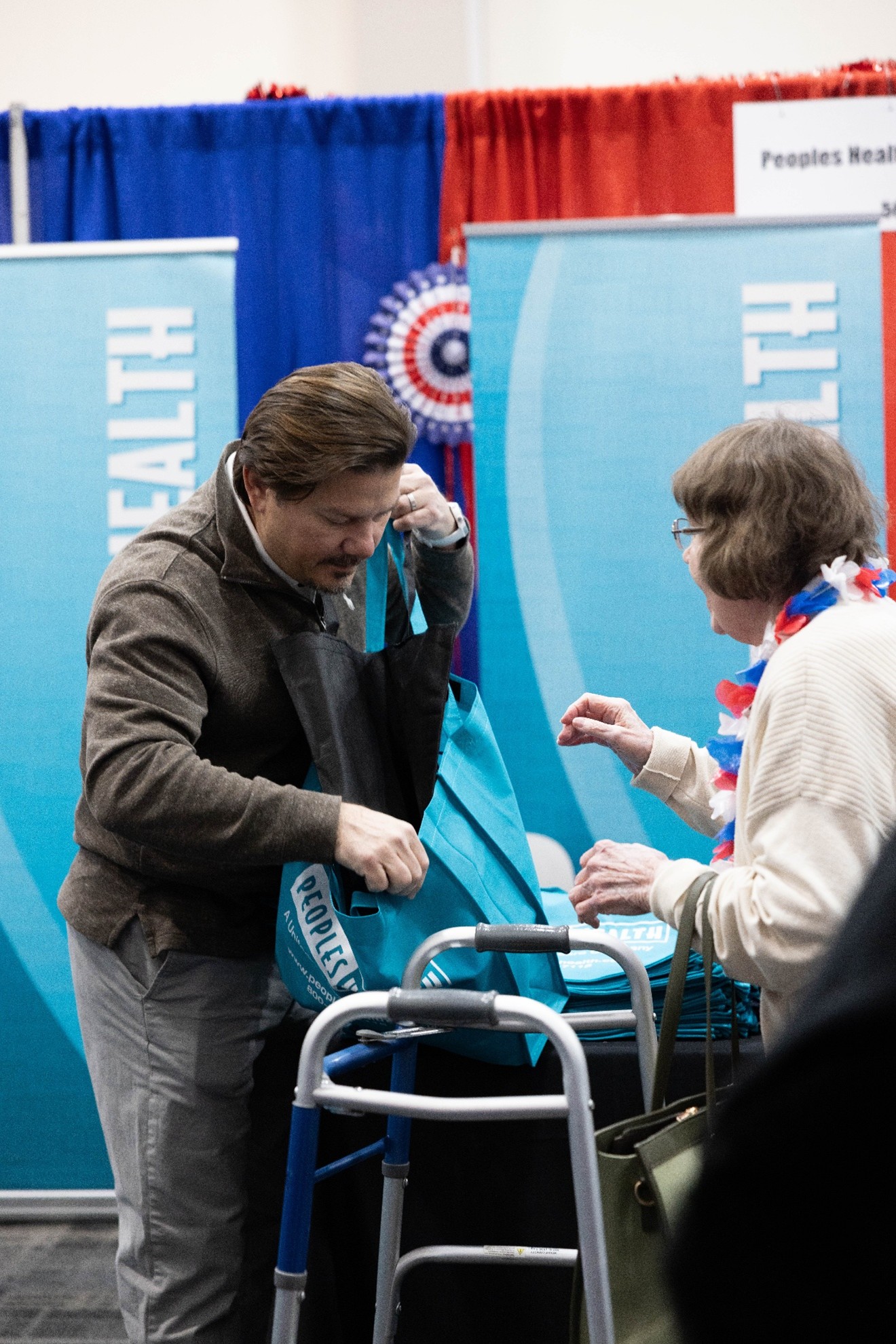
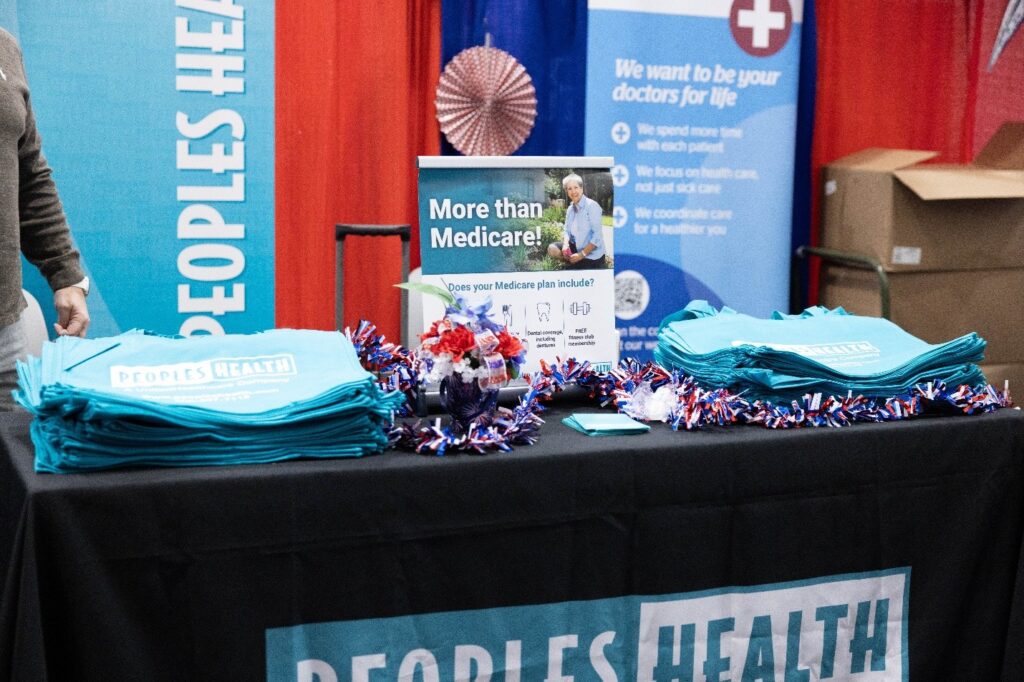
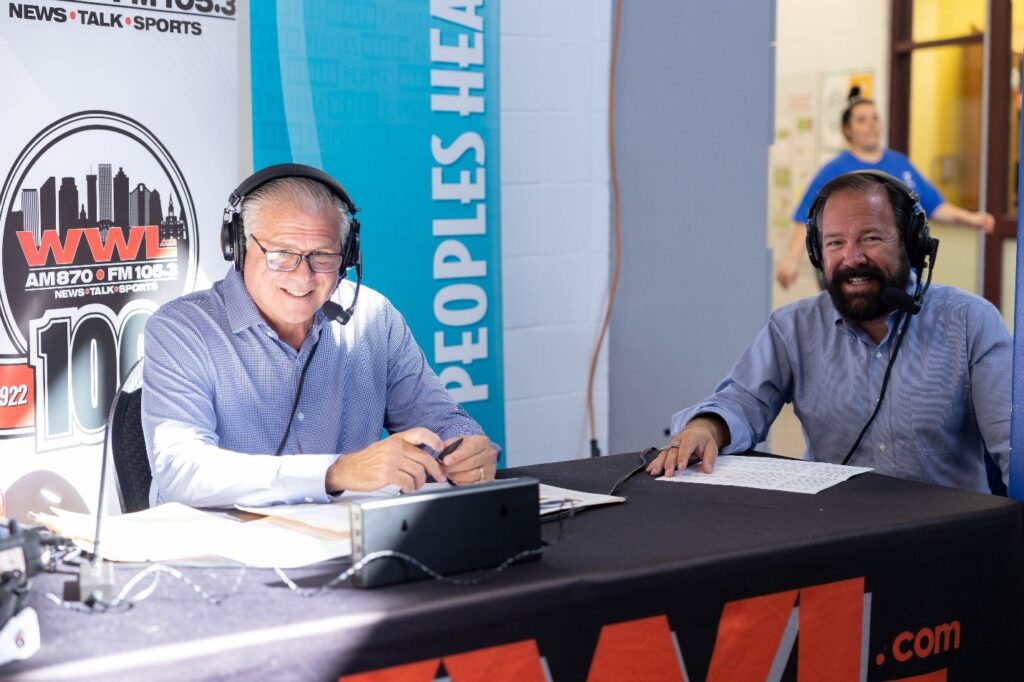
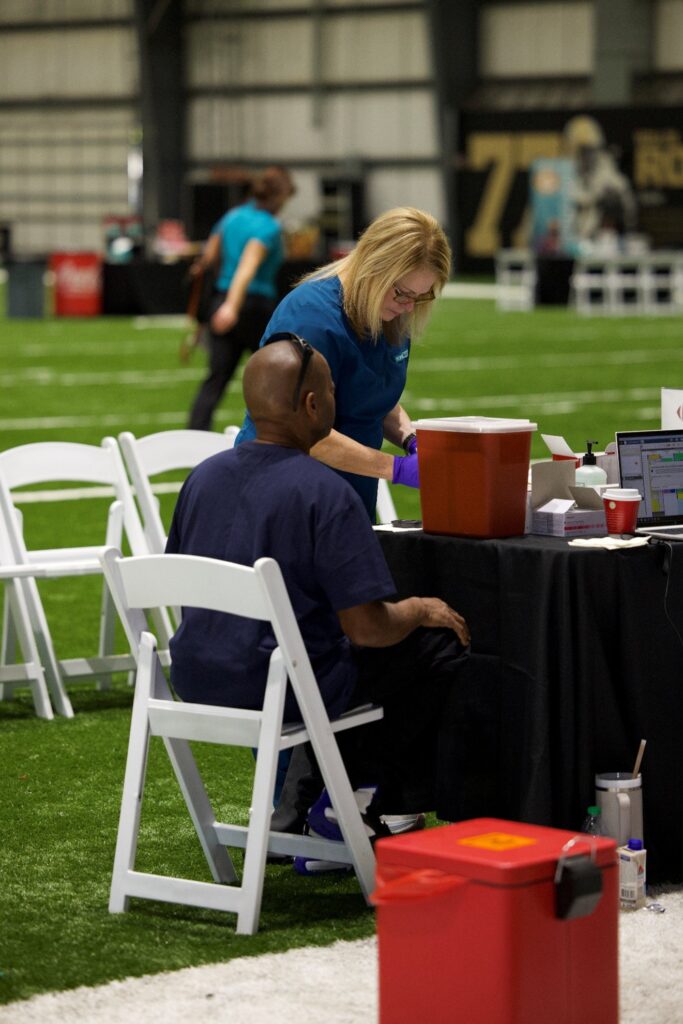
For members, our RN care coordinators provided outreach, education, and navigation to members telephonically. We partnered with Cologuard and Lets Get Checked to provide direct to member screening kits in the home. We also provided education to members through 1-1 interaction, member newsletters, radio and TV advertising, and health fair events. We performed over 35,000 comprehensive wellness exams with a focus on gap closure across the State with our team of 40 employed nurse practitioners (NPs). These NPs also addressed social determinants of health screening and generated referrals to social work as needed.
What do you consider Peoples Health’s greatest success while working to increase colorectal cancer screening rates?
Our wholistic approach that is both member and provider focused has led to our success. We strive to bring patients and providers together with a common goal to improve outcomes. We try to break down barriers for the PCPs and ensure they get enhanced reimbursement to support their practice. For members, we provide education and navigation of a complex healthcare system and a care coordination support system for their needs.
What was Peoples Health’s biggest lesson learned while working to increase CRC screening rates?
As we grew across the State, we learned that strategies that worked in an urban area did not always translate to a rural one. We expanded our teams to ensure individualized messaging to both members and providers in addition to finding home based solutions. We worked to engage with rural providers providing additional incentives and adequate compensation to drive our goals.
What else would Peoples Health want others to know about how it increased CRC screening rates?
The work is never done. We adjusted our outreach to include 45+ year olds before HEDIS changes were made and eliminated copays on diagnostic follow up after a positive or abnormal stool test to ensure outcomes. We continue to work on engagement with smaller groups throughout Louisiana, especially in rural areas with fewer options for care.

The ACS NCCRT would like to thank the Peoples Health team for their time to complete this interview. Their work to increase CRC screening rates earned them Honoree status for the 2025 ACS NCCRT National Achievement Awards. Learn more about Peoples Health by visiting their website.