Interview with ScreeND – 2026 National Achievement Award Grand Prize Winner
Date: June 30, 2026
As part of a series, the ACS NCCRT is thrilled to highlight our 2026 National Achievement Award Winners with in depth blogs on their work. Below you’ll find the first interview with our 2026 Grand Prize winner about what they did to increase colorectal cancer screening (CRC) rates as well as their lessons learned from their efforts.
Quick Stats
Organization: ScreeND at Quality Health Associates of North Dakota, now Mountain Pacific
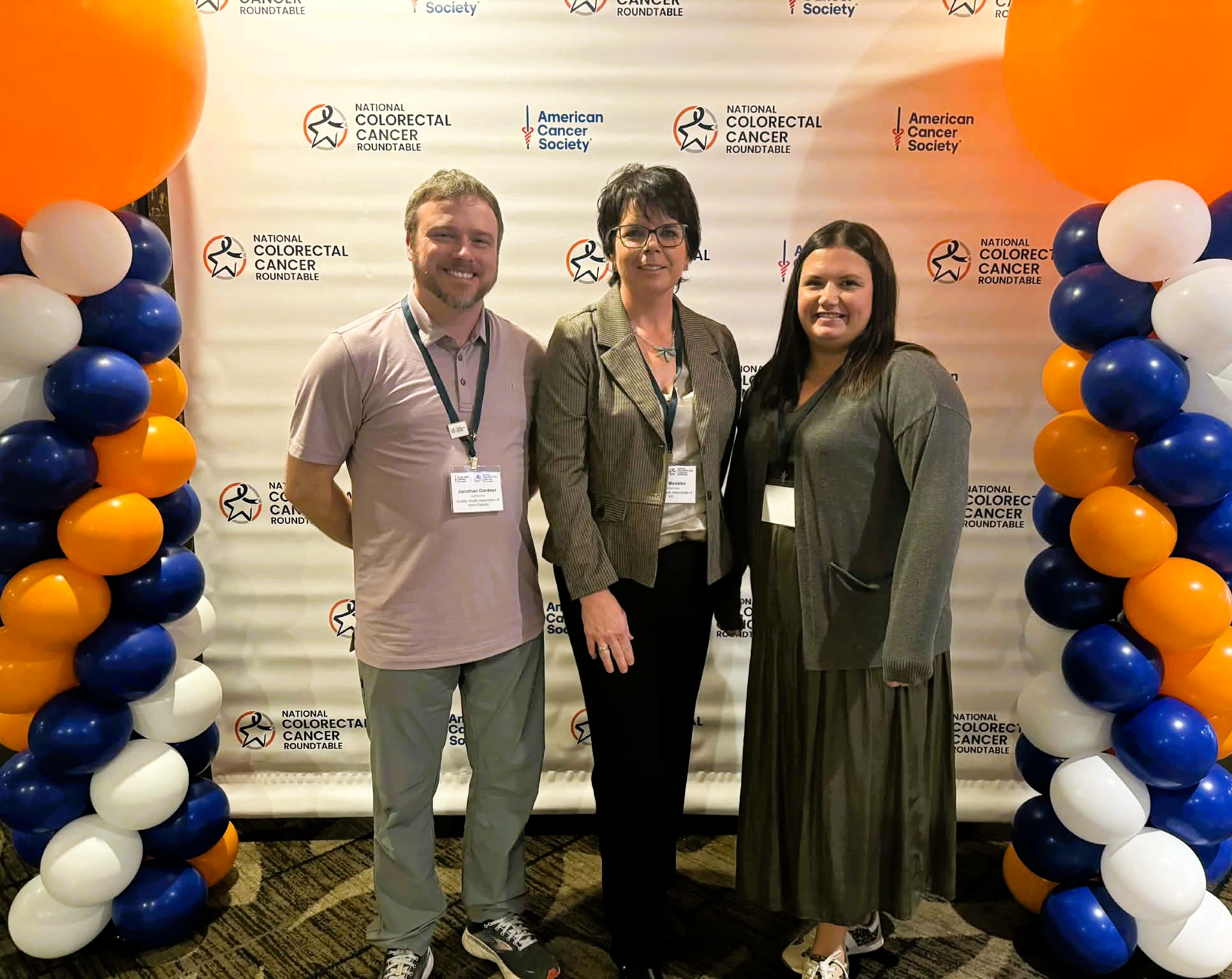
Interviewees:
- Nikki Medalen, MS, BSN, CPHQ, Quality Improvement Advisor II
- Jonathan Gardner, Systems Administrator II / Data Analyst
- Carolyne Tufte, LPN, Quality Improvement Advisor II
The Interview
When and why did ScreeND decide to focus on increasing colorectal cancer (CRC) screening?
Our focus on CRC screening began when the North Dakota Comprehensive Cancer Control Program identified the CDC’s Colorectal Cancer Control Program (CRCCP) funding opportunity but lacked capacity to pursue it. The opportunity was shared with Quality Health Associates (QHA), where we quickly recognized its potential to improve CRC screening statewide in North Dakota. With prior experience leading a Medicare Special Innovation Project on CRC screening, our team brought relevant expertise and a strong understanding of the challenges and opportunities, making this a natural fit.
Did ScreeND set a CRC screening goal? If so, what was it and how did you measure it? What was the final outcome?
Our ultimate goal was to reach the national benchmark of 80% CRC screening in every community, but we recognized that progress would take time. Each clinic set short-term, achievable goals, allowing them to see incremental progress and celebrate successes along the way. Clinics submitted monthly data, which we reviewed during every technical assistance call to reinforce the connection between their efforts and screening rates. Overall, clinics achieved an average of nearly 30% improvement, an overall relative improvement of nearly 250%, with several ultimately reaching the 80% target.
Did ScreeND have a CRC screening champion for your efforts on staff or in the community? If so, who were they and how did you engage them?
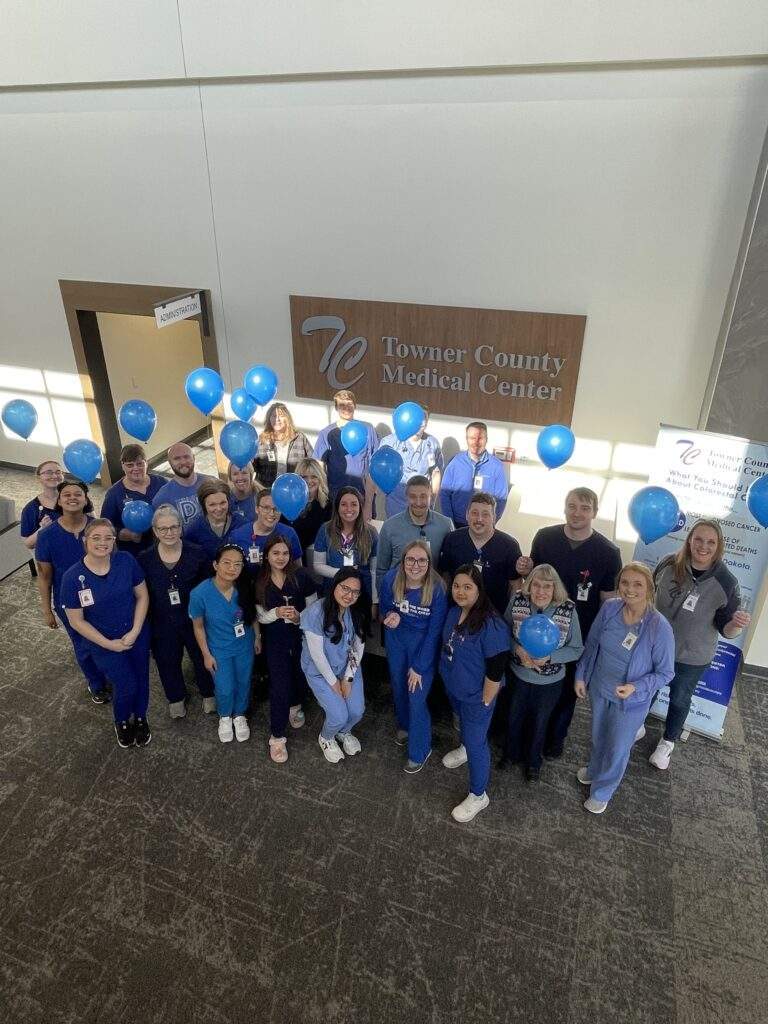
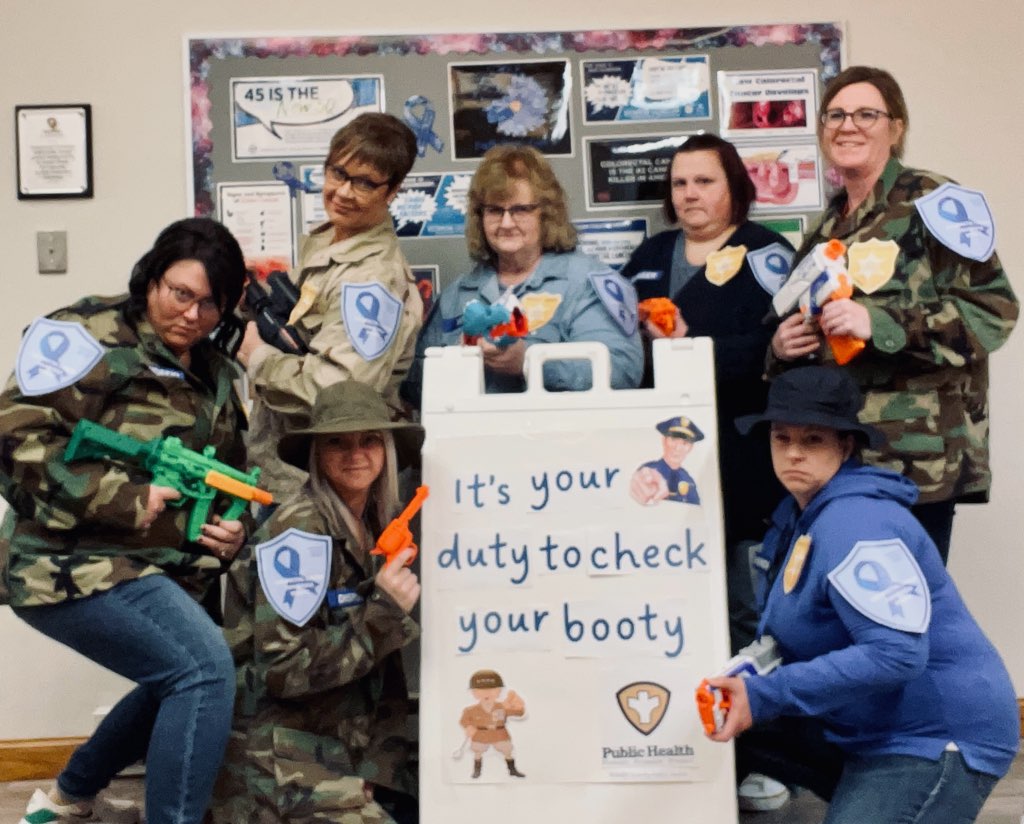
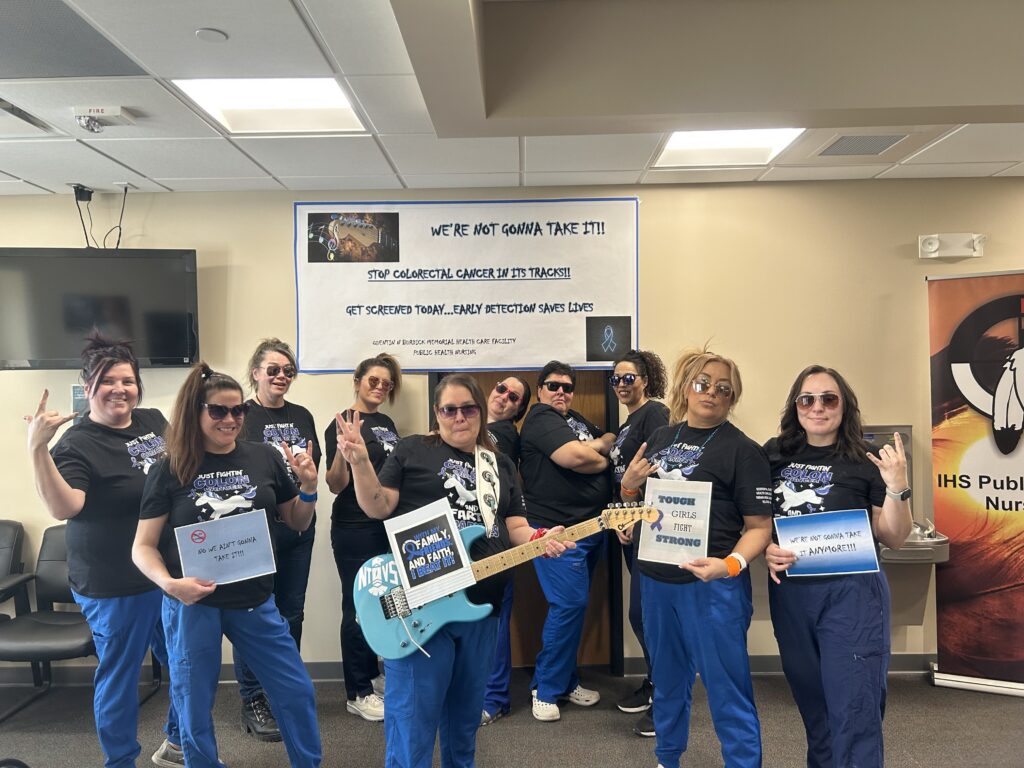
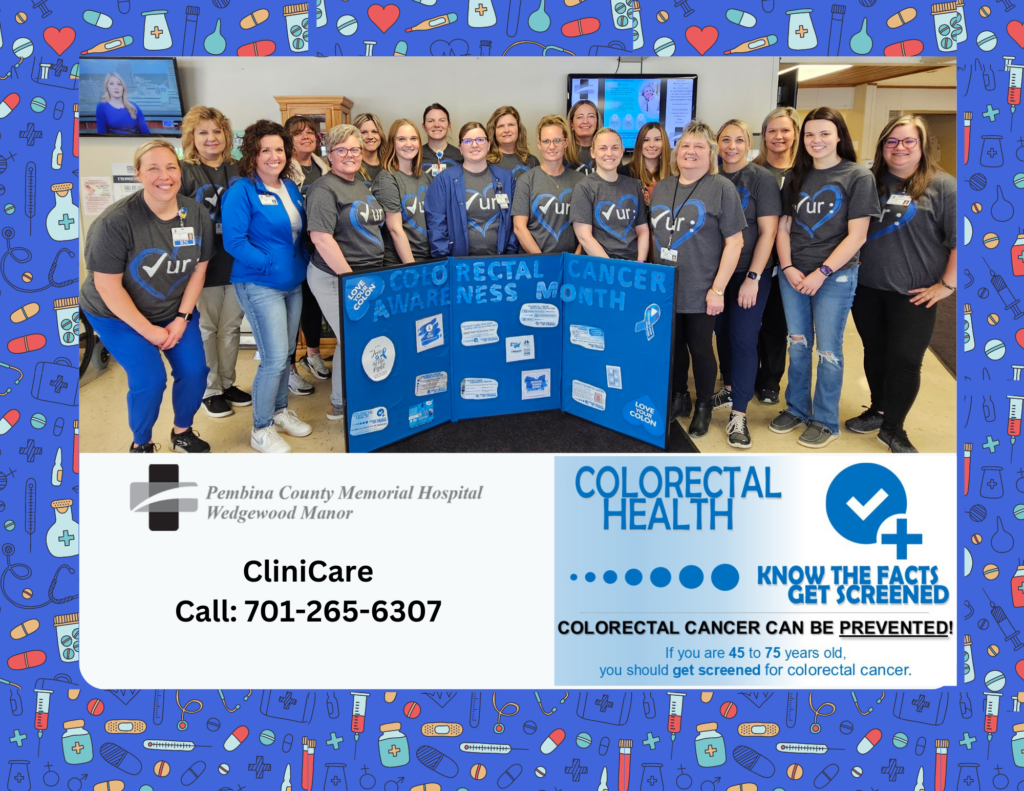
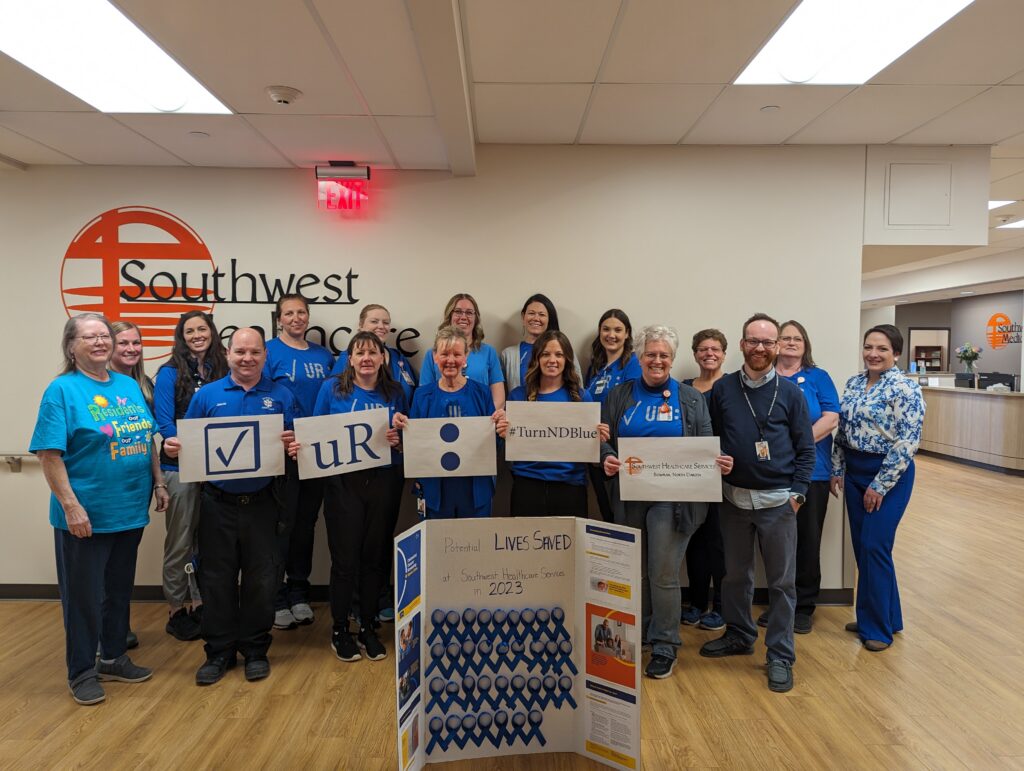
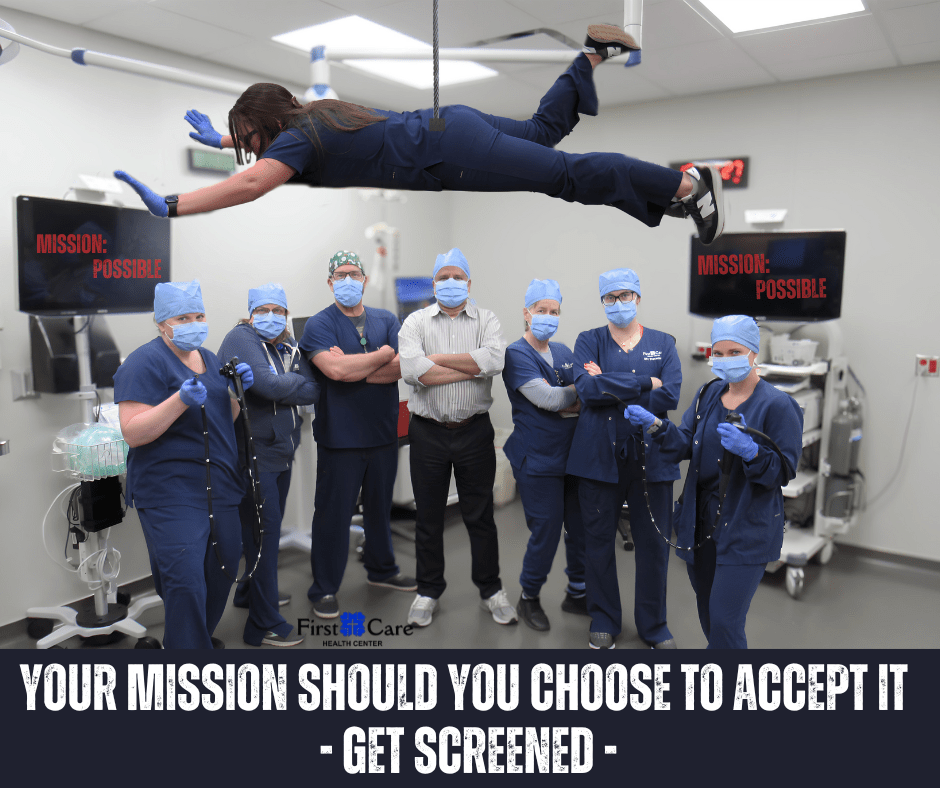
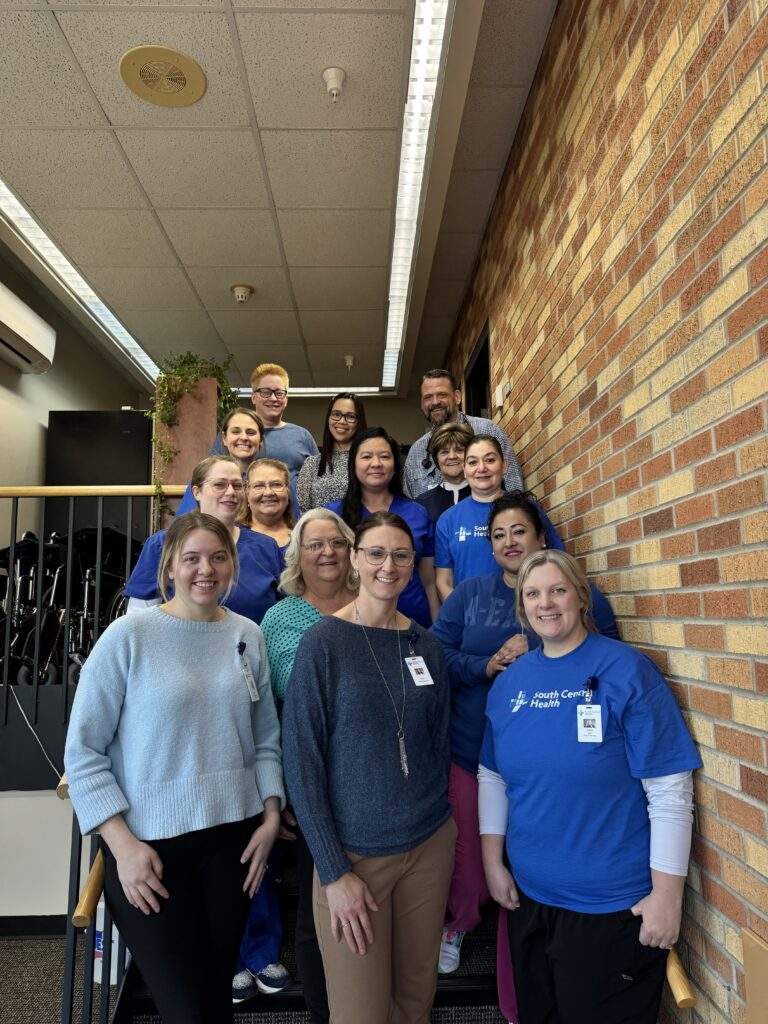
Yes. Each clinic identified a provider champion or team lead to drive CRC screening efforts locally. We also prioritized strong partnerships to support this work. We collaborated closely with the North Dakota Cancer Coalition and the North Dakota CRC Roundtable to maintain statewide engagement and helped expand the North Dakota CRC Screening Initiative to increase access for eligible individuals. In addition, we strengthened partnerships with the Great Plains Tribal Leaders Health Board and its Comprehensive Cancer Control Program, as well as Blue Cross Blue Shield of North Dakota’s BlueAlliance program, to support tribal communities, rural clinics, and the broader provider network.
What interventions or activities did you use to increase CRC screening rates?
We used a combination of tailored technical assistance, data-driven strategies, and targeted resources to increase screening rates. Technical assistance was central, starting with monthly calls and tapering as clinics built confidence, balancing accountability with independence.
Data guided all efforts. Using our Internal Quality Control (IQC) tool, we tracked screening rates, trends, and progress toward goals, allowing rapid identification of barriers and adjustments. Our “Missed Opportunity” report highlighted gaps, surfaced high-performing providers, and uncovered issues such as workflow inefficiencies and coverage misunderstandings—helping spread effective practices.
We reinforced this work with ongoing support, including monthly newsletters, a resource website, and shared best practices. We also developed clinic- and population-specific materials, including culturally tailored resources and targeted campaigns.
Together, strong partnerships, structured technical assistance, actionable data, and tailored outreach drove meaningful improvements in CRC screening for the clinics that we worked with.
What do you consider ScreeND’s greatest success while working to increase CRC screening rates?
The ScreeND Program’s two greatest successes were improving access to colonoscopy and removing a major structural barrier to screening in tribal communities.
First, we developed the Colonoscopy Locator, a statewide tool hosted on the North Dakota Cancer Coalition website since May 2025. Modeled after a successful Sanford Health tool, it allows providers and patients to quickly identify the ten nearest colonoscopy sites, including distance, wait times, and scheduling information. With 100% participation from facilities statewide, the tool has improved access, reduced wait times, and strengthened care coordination.
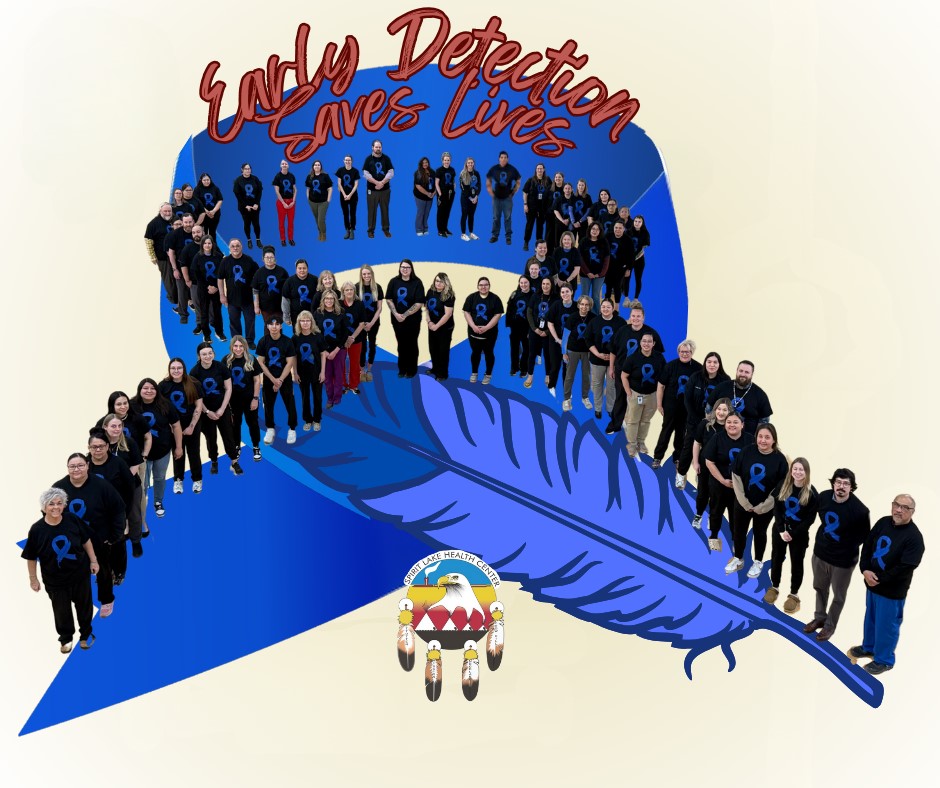
Second, we helped eliminate a critical barrier in tribal communities by working with Exact Sciences and Indian Health Service (IHS) partners to enable the use of PRC funds for Cologuard. Through persistent collaboration, a nationwide Purchased/Referred Care (PRC)* billing pathway was launched in February 2026, allowing all IHS facilities to order Cologuard. Work on this breakthrough started in December 2021 and significantly expands screening access and is expected to drive substantial improvements in tribal communities after almost five years of effort.
* The Purchased/Referred Care (PRC) Program at IHS is for medical/dental care provided away from an IHS or tribal health care facility. (Indian Health Services, n.d.)
What was your biggest lesson learned while working to increase colorectal cancer screening rates?
One of the most significant insights was recognizing the ceiling of traditional evidence-based interventions (EBIs) when applied through an opportunistic approach which focuses on screening only when patients present for care. While this approach can reliably achieve CRC screening rates of approximately 60 percent for those eligible, surpassing that threshold requires a far more intentional and proactive strategy.
What else would you want others to know about how you increased colorectal cancer screening rates?
Advancing CRC screening requires professional persistence, specifically the steady commitment to keep showing up, having the conversations, and removing barriers even when progress feels slow. As Beverly Greenwald, Chair of the North Dakota Cancer Coalition, so powerfully reminds us, “People are dying of embarrassment or ignorance, and it is completely unnecessary.” That truth underscores why this work matters. Every reminder, every option offered, and every compassionate interaction has the potential to replace fear or misinformation about CRC screening with knowledge and action. By remaining persistent, empathetic, and focused on dignity and choice, we can ensure that preventable deaths truly become preventable and that no one is lost simply because CRC screening felt uncomfortable or out of reach.

The ACS NCCRT would like to thank the ScreeND team for their time to complete this interview. Their work to increase CRC screening rates earned them the Grand Prize for the 2026 ACS NCCRT National Achievement Awards. Learn more about ScreeND by visiting their website.