
Colorectal Cancer Screening State Profiles
Disclaimer: The contents of this resource may not reflect the ACS Colorectal Cancer Screening Guidelines, updated May 27, 2026.
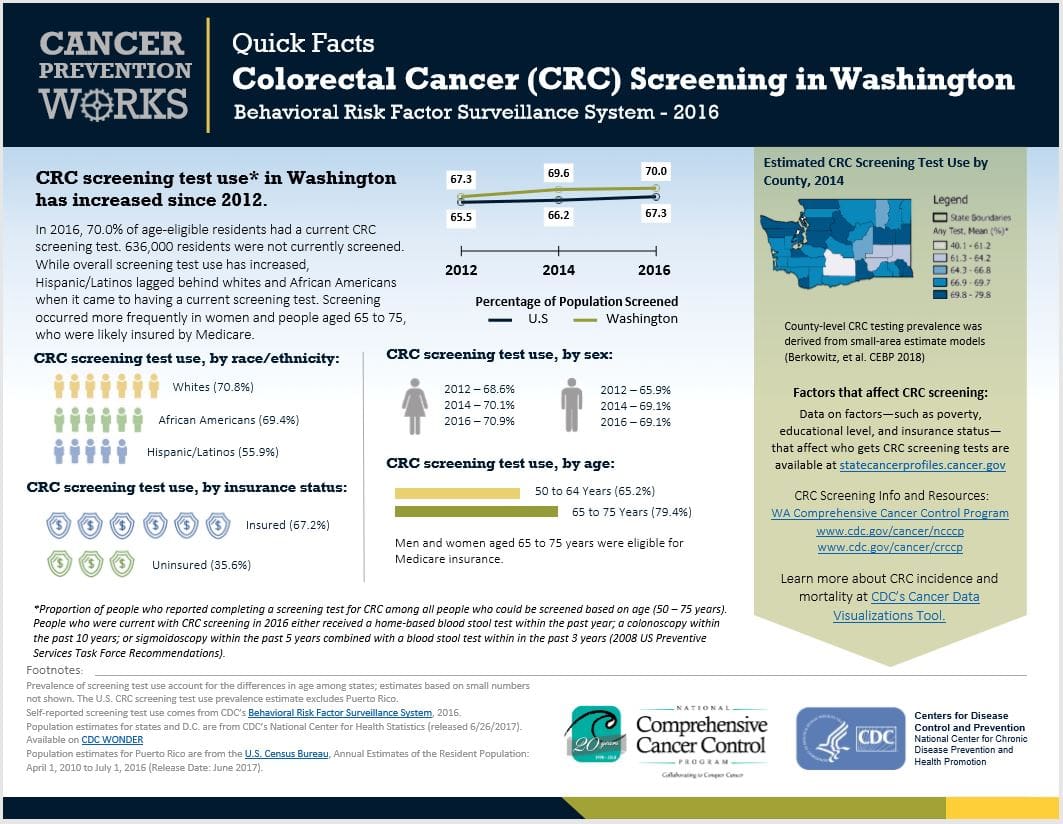
Colorectal Cancer Screening State Profiles
The Centers for Disease Control and Prevention’s (CDC’s) Colorectal Cancer Screening State Profiles provide state-specific colorectal cancer screening trends from 2012 through 2016, modeled county-level colorectal cancer screening estimates from 2014, and screening prevalence by race/ethnicity, sex, insurance status, and age group for all for all 50 states, DC, and Puerto Rico.
These profiles can help comprehensive cancer control programs, colorectal cancer control programs, and others with planning interventions and sharing current colorectal cancer screening estimates in their state.
Evaluation: Screening statistics come from CDC’s Behavioral Risk Factor Surveillance System, CDC’s National Center for Health Statistics, and other sources. View the footnotes of the state profiles to learn more.
Permissions: Made publicly available online by the Centers for Disease Control and Prevention, with content provided and maintained by the Division of Cancer Prevention and Control.
Publication date: November 14, 2018
Post date: December 6, 2018
Contact: Send comments, questions, and suggestions to [email protected].
Explore More
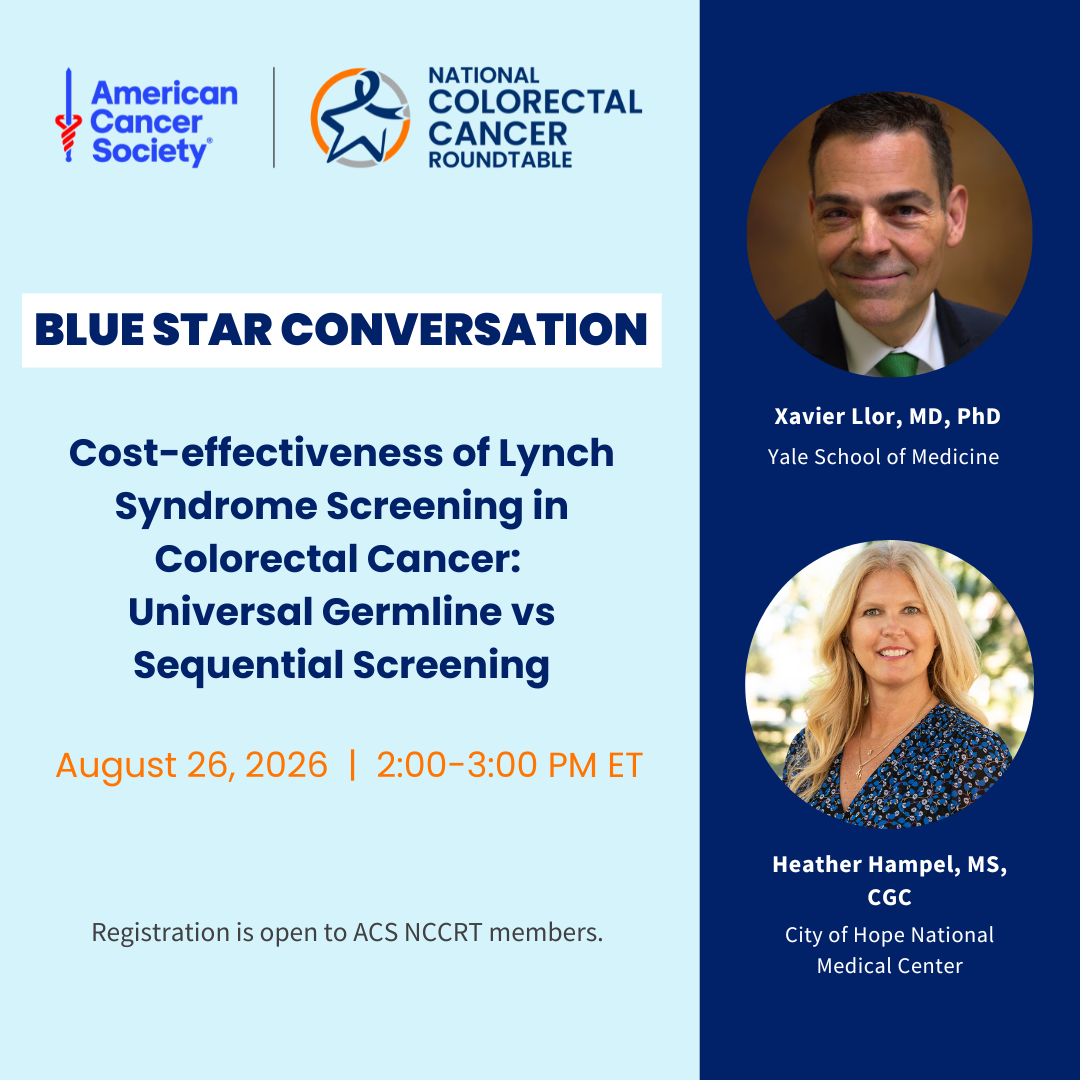
Blue Star Conversation: August 27, 2026
This Blue Star Conversation explored how expanded Lynch syndrome screening, including universal germline testing, could improve outcomes, increase testing rates, and identify more individuals with Lynch syndrome.

Webinar: Inside the New ACS Colorectal Cancer Screening Guidelines
This webinar provides an in-depth overview of the newly updated ACS CRC screening guidelines and the evidence supporting them, offering clarity on what these changes mean for screening and early detection.

Increasing Colorectal Cancer Screening in Rural Communities: A Practical Guide
This guidebook is designed to support key community partners in understanding and overcoming the unique challenges and common barriers to CRC screening faced in rural communities.