
Summary Report on Links of Care Pilot to Increase Colorectal Cancer Screening for Underserved Patients
Disclaimer: The contents of this resource may not reflect the ACS Colorectal Cancer Screening Guidelines, updated May 27, 2026.
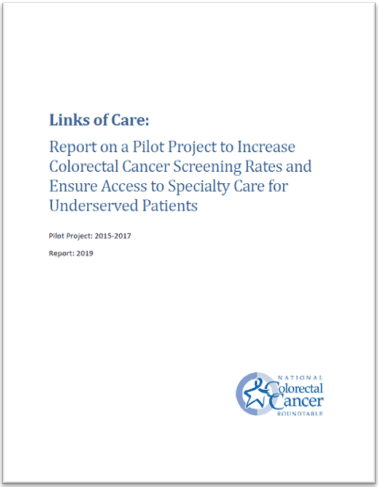
The newly released report, Report on a Pilot Project to Increase Colorectal Cancer Screening Rates and Ensure Access to Specialty Care for Underserved Patients, provides an overview of the Links of Care pilot project (2015-2017), which implemented evidence-based strategies to increase screening rates and timely access to specialists after abnormal screenings in three Federally Qualified Health Centers (FQHCs). Participating FQHCs successfully increased CRC screening rates by 8-28 percentage points, secured low- or no-cost colonoscopies from specialty care providers, and implemented patient navigation to ensure timely follow-up to diagnostic services. The report outlines key facilitators to success.
Congratulations to the evaluators and authors that contributed to this publication, Lesley Watson, Kara Riehman, Mary Doroshenk, Rentonia Williams, Vonda Evans, Lynn Basilio, Maryanne Goss, and Roshan Paudel, as well as the numerous individuals that contributed to the pilot projects’ success.
The NCCRT Resources Center also includes two webinars that feature findings from the Links of Care pilot projects, including a 2017 webinar and a 2015 webinar.
Explore More
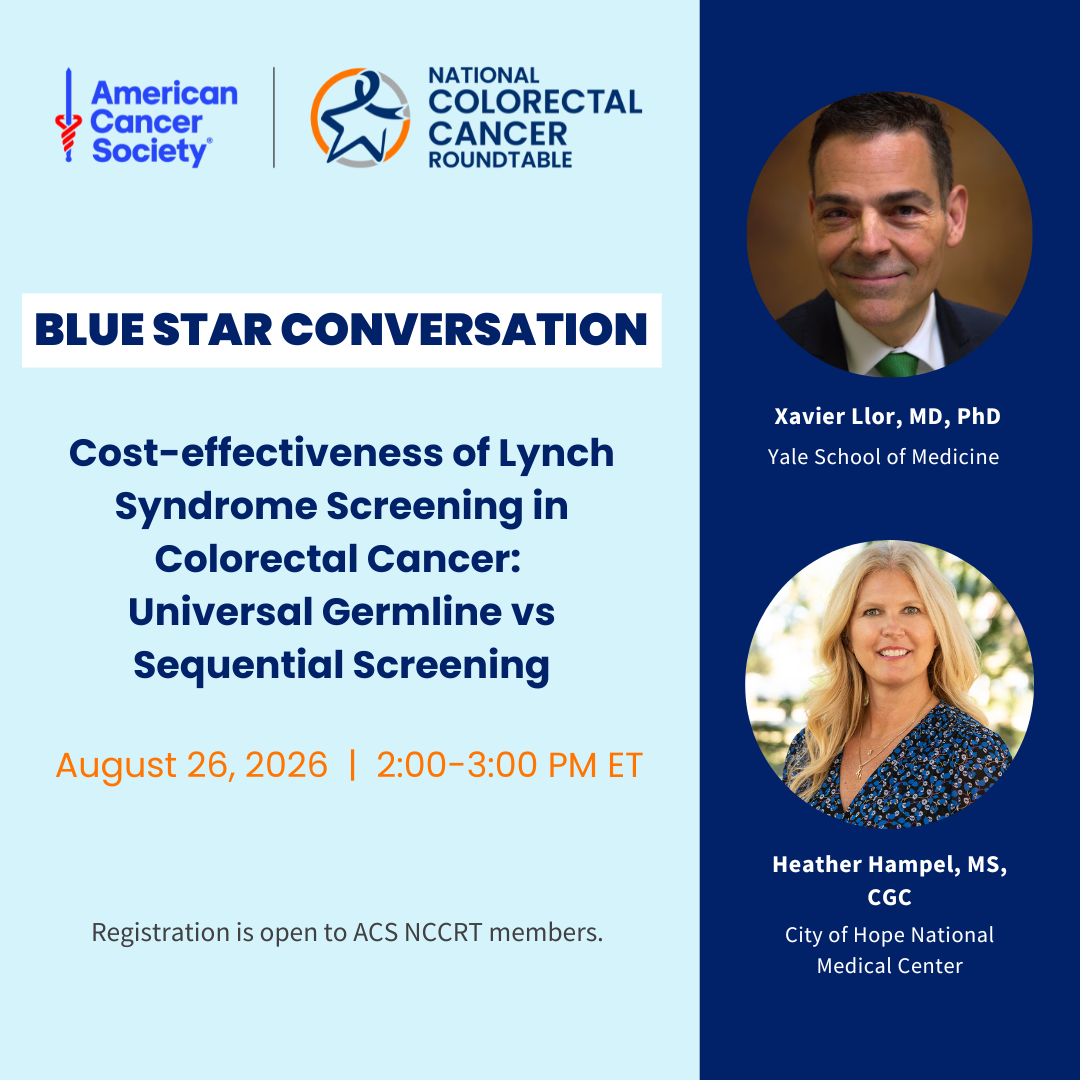
Blue Star Conversation: August 27, 2026
This Blue Star Conversation explored how expanded Lynch syndrome screening, including universal germline testing, could improve outcomes, increase testing rates, and identify more individuals with Lynch syndrome.

Webinar: Inside the New ACS Colorectal Cancer Screening Guidelines
This webinar provides an in-depth overview of the newly updated ACS CRC screening guidelines and the evidence supporting them, offering clarity on what these changes mean for screening and early detection.

Increasing Colorectal Cancer Screening in Rural Communities: A Practical Guide
This guidebook is designed to support key community partners in understanding and overcoming the unique challenges and common barriers to CRC screening faced in rural communities.