2026 ACS NCCRT National Awardees Announced
American Cancer Society National Colorectal Cancer Roundtable Honors Four Partners Driving Nationwide Gains in Screening Rates
ATLANTA, March 16, 2026 – In communities across the country, clinicians, advocates, and health systems are noticing a troubling shift: more young adults are being diagnosed with rectal cancer, a disease once seen primarily in older populations. After decades of decline, incidence rates are climbing again, prompting urgent calls for earlier detection.
Today, the American Cancer Society National Colorectal Cancer Roundtable (ACS NCCRT), founded in partnership with the Centers for Disease Control and Prevention, honored Four partners with the 2026 ACS NCCRT National Achievement Award for their leadership in expanding access to timely, appropriate colorectal cancer screening, prevention, and treatment, a need that has never been more critical.
“Our 2026 awardees represent the very best of what’s happening across the colorectal cancer prevention and care landscape. Their dedication to improving screening rates, reducing disparities, strengthening patient support, and expanding access to lifesaving services is truly exceptional. The ACS NCCRT is proud to recognize their achievements and to celebrate the meaningful difference they are making nationwide” said Gloria D. Coronado, PhD, Associate Director for Population Sciences at the University of Arizona Cancer Center and Professor in the Department of Epidemiology and Biostatistics at the University of Arizona, and ACS NCCRT Vice-Chair. “.”
According to the American Cancer Society’s Colorectal Cancer Statistics, in 2026, an estimated 158,850 new cases of colorectal cancer (CRC) will be diagnosed, and 55,230 people will die from the disease in the United States. CRC incidence is rising in adults under 65 (by 3% per year in ages 20–49 and 0.4% in ages 50–64) driven by cancer occurrence in the distal colon and rectum.
The ACS NCCRT National Achievement Awards is a program designed to recognize individuals and organizations who are dedicating their time, talent, and expertise to reduce the incidence of and mortality from colorectal cancer in the US through coordinated leadership, strategic planning, and advocacy. This year’s awards include one grand prize winner and three other honorees, each of whom receives a monetary award to support continued efforts to towards their program goals.
This year’s recipients are ScreeND at Quality Health Associates of North Dakota, North Dakota; the Bridging Research Innovation Advocacy and Value-Centric Excellence in Young-Onset Colorectal Cancer Program at The University of Texas MD Anderson Cancer Center, Texas; The Fred Hutch/ UW Medicine Population Health Colorectal Cancer Screening Program, Washington; and MNGI Digestive Health, Minnesota.
More details about this year’s recipients:
Grand Prize Winner: ScreeND at Quality Health Associates of North Dakota
Category: Centers for Disease Control and Prevention’s Colorectal Cancer Control Program Grantee
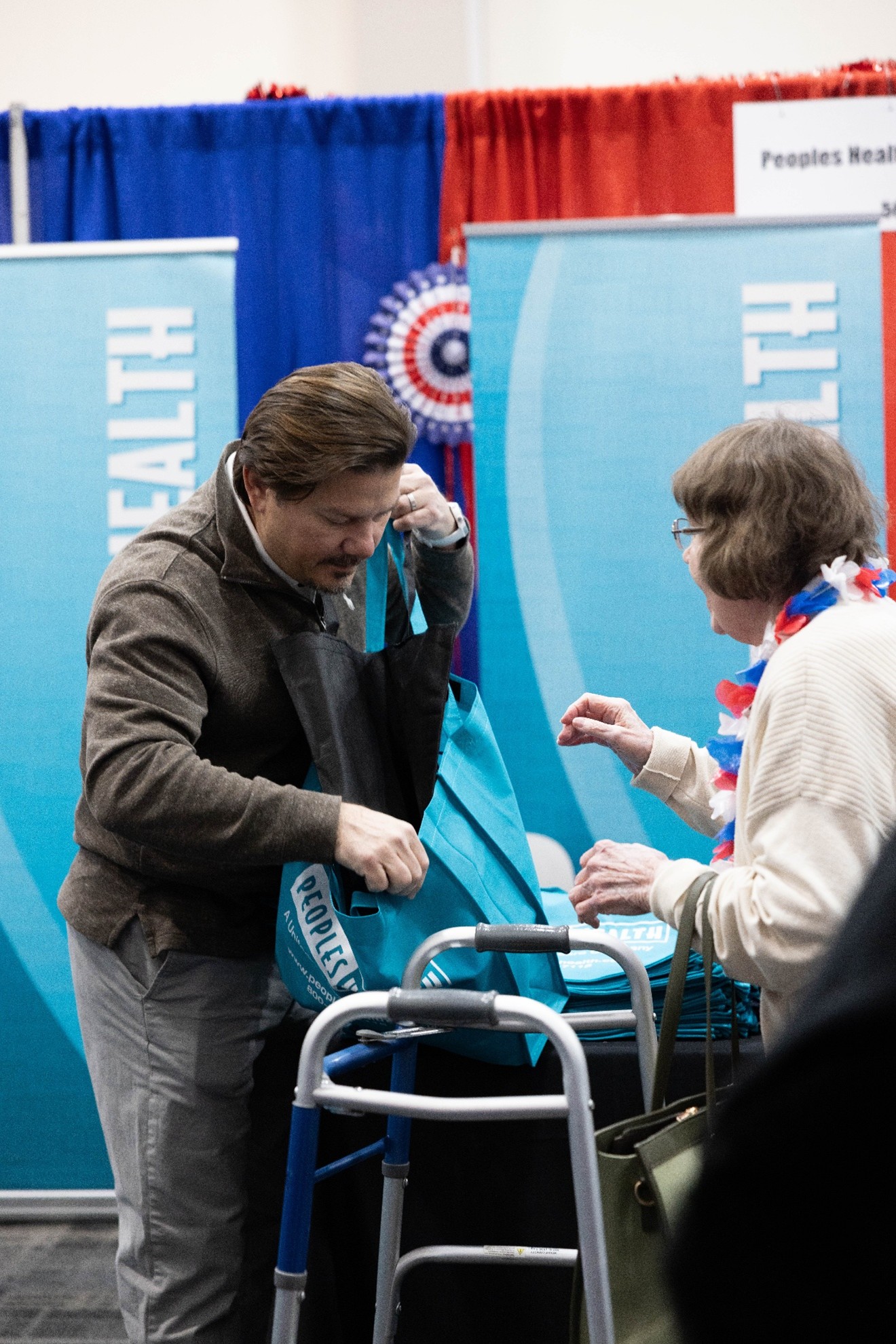
The ScreeND program at Quality Health Associates of North Dakota has a mission to increase colorectal cancer (CRC) screening rates among rural, frontier, and Native American populations in North Dakota by implementing evidence-based interventions (EBIs), reducing structural barriers, and fostering sustainable system changes in rural health clinics. The ScreeND program is funded through the Centers for Disease Control and Prevention’s CRC Control program and is charged with reducing disparities and saving lives through early detection of CRC. From 2020 to 2025, ScreeND partnered with 21 clinics across 15 health systems, reaching more than 64,000 individuals, including 6,100 Native Americans aged 45–75. During this period, participating clinics achieved an average screening rate increase of 29.81 percentage points. As a result, an estimated 7,500 additional people received life‑saving CRC screenings who otherwise may not have been reached, a relative improvement of 249%. The ScreeND program team is especially proud of their impact in rural communities, which face many of the same systemic challenges in CRC screening as large health systems and metropolitan areas. They also highlight their statewide work, particularly their collaboration with the North Dakota Colorectal Cancer Roundtable, as an example of finding sustainable, scalable solutions.
Honoree: BRAVE-CRC Program at The University of Texas MD Anderson Cancer Center
Category: Health System Treatment Program
The Bridging Research Innovation Advocacy and Value-Centric Excellence in Young-Onset Colorectal Cancer (BRAVE-CRC) Program at The University of Texas MD Anderson Cancer Center has a mission to offer the best integrated care for CRC patients diagnosed under age 45 across the entire cancer continuum, from diagnosis, treatment, survivorship, and prevention through genetic testing. The BRAVE-CRC program uses a variety of tactics, including expediting and coordinating patient care across multiple providers and clinics in a singular treatment day, standard socio-ecological needs assessments at intake, and having a dedicated nurse care coordinator for their young onset (YO) population. They have also implemented universal germline genetic testing through a self-navigated online platform for almost 300 of the patients they serve and their relatives. Lastly, to bring patients together, they have hosted an annual YOCRC Patient conference since 2023 with over 100 virtual attendees each year, including participants from Canada and the United Kingdom. The BRAVE-CRC program staff are most proud of their work to create a community of YOCRC patients, which now boasts over 8000 members since the program’s launch in 2021. Through their work, they hope patients can feel a little less alone in their CRC treatment and survivorship journey.
Honoree: The Fred Hutch/ UW Medicine Population Health Colorectal Cancer (CRC) Screening Program
Category: Health System Screening Program
The Fred Hutch/ UW Medicine Population Health Colorectal Cancer (CRC) Screening Program aims to eradicate CRC by improving screening, reducing racial, ethnic, and socioeconomic disparities, and improving follow-up for those with abnormal non-invasive CRC screening tests. This is done through quality improvement, research, community engagement, and informing local, Washington state, and national health policy. Since the program’s inception in 2021, the CRC screening rate at UW Medicine has improved from 62% to 73% among the eligible population, through a combination of mailed outreach and a strong partnership with primary care to increase awareness. Additionally, screening has improved in the 45-49 year-old age group from 26% to 57%, exceeding the 37% national screening rate in this population. Screening rates have also increased across all racial and ethnic minority groups in the population served. The program team is proud of their broad impact across the health system, which has inspired resources to empower more communities and systems to increase CRC screening rates. Looking ahead, they are striving for a program screening rate of 80%, with modeling suggesting this milestone could be reached within three years.
Honoree: MNGI Digestive Health
Category: Links to Care Program
MNGI Digestive Health’s Links to Care Program is dedicated to preventing and detecting colorectal cancer (CRC) by offering free colonoscopies to uninsured individuals through partnerships with Federally Qualified Health Centers (FQHCs) across the Twin Cities metropolitan area of Minnesota. Established in 1995 with support from the American Cancer Society, the program has expanded to 11 FQHCs, serving patients who are often low resource, low income, and speak languages other than English. As partners, the FQHCs identify and refer eligible patients to the program following either a positive stool test or family history of CRC. In addition to offering free colonoscopies with monitored anesthesia care (MAC) sedation, pathology fees are also fully covered if polyps are removed during the procedure. Since 2016, MNGI has helped 888 uninsured patients, of which 479 had polyps or tissue removed (431 precancerous adenomas), and 10 patients were diagnosed with CRC. New in 2026, uninsured patients of screening age no longer need a positive stool test or family history to participate in Links to Care. MNGI’s staff is most proud of the lives saved through their work and continuously prioritize their goal of preventing and detecting CRC because it’s the right thing to do for the communities they serve.
To learn more about the ACS NCCRT, and their work to reduce the incidence of and mortality from colorectal cancer, visit https://nccrt.org/.
###
About the American Cancer Society
The American Cancer Society is a leading cancer-fighting organization with a vision to end cancer as we know it, for everyone. For more than 110 years, we have been improving the lives of people with cancer and their families as the only organization combating cancer through advocacy, research, and patient support. We are committed to ensuring everyone has an opportunity to prevent, detect, treat, and survive cancer. To learn more, visit cancer.org or call our 24/7 helpline at 1-800-227-2345. Connect with us on Facebook, X, and Instagram.
About the American Cancer Society National Colorectal Cancer Roundtable
The American Cancer Society National Colorectal Cancer Roundtable (ACS NCCRT) was established in 1997, in partnership with the Center for Disease Control and Prevention. The ACS NCCRT is a national coalition of over 240 member organizations with a shared mission to increase the use of proven screening tests among the entire population for whom screening is appropriate. The American Cancer Society provides organizational leadership and expert staff support to the ACS NCCRT.