
American Cancer Society: Colorectal Cancer Mortality Disparities Learning Community

Over time, researchers and practitioners have observed marked disparities in colorectal cancer (CRC) mortality rates across certain groups and geographic areas while CRC screening rates remain the same or increase for the same disparate groups and areas. This five session learning community was created to address this with state cancer coalitions as the focus and took place from May-September 2025. The learning community’s overall goal was to increase integration of interventions mitigating CRC mortality disparities into the state comprehensive cancer coalition planning process. Each session below has individual objectives, helpful links, and a recording to explore.
We acknowledge and thank CDC for its support of ACS staff, and in the development and dissemination of this learning session, under cooperative agreement NU58DP007540 awarded to the American Cancer Society. Its contents are solely the responsibility of the authors and do not necessarily represent the official views of CDC. For more support and information visit the ACS4CCC website.
Session 1: CRC Mortality 101
Session 2: Timely Follow-Up Colonoscopy and CRC Mortality
Session 3: CRC Survivorship
Session 4: CRC Mortality in Your Community
Session 5: CRC Mortality and State Cancer Planning
Explore More
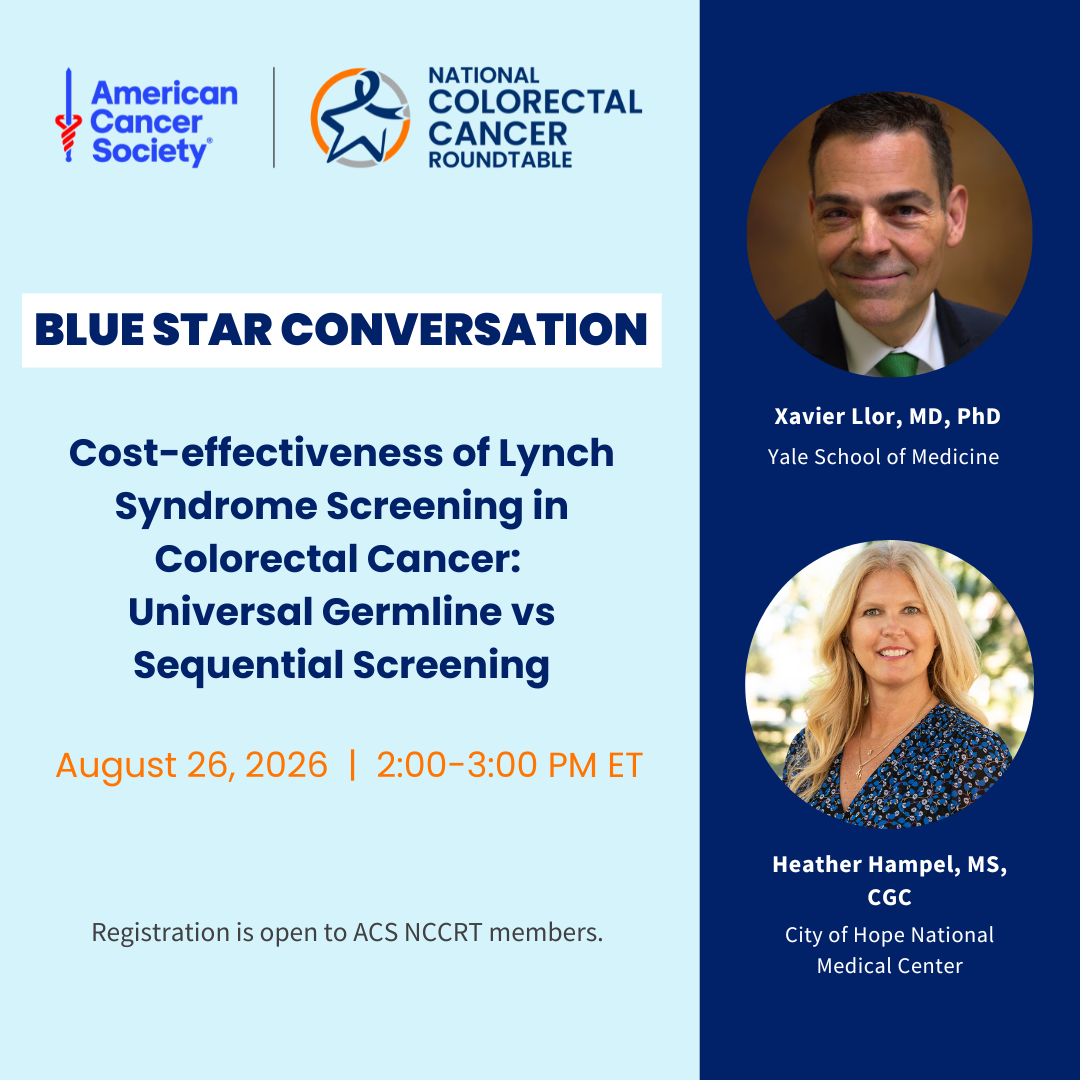
Blue Star Conversation: August 27, 2026
This Blue Star Conversation explored how expanded Lynch syndrome screening, including universal germline testing, could improve outcomes, increase testing rates, and identify more individuals with Lynch syndrome.
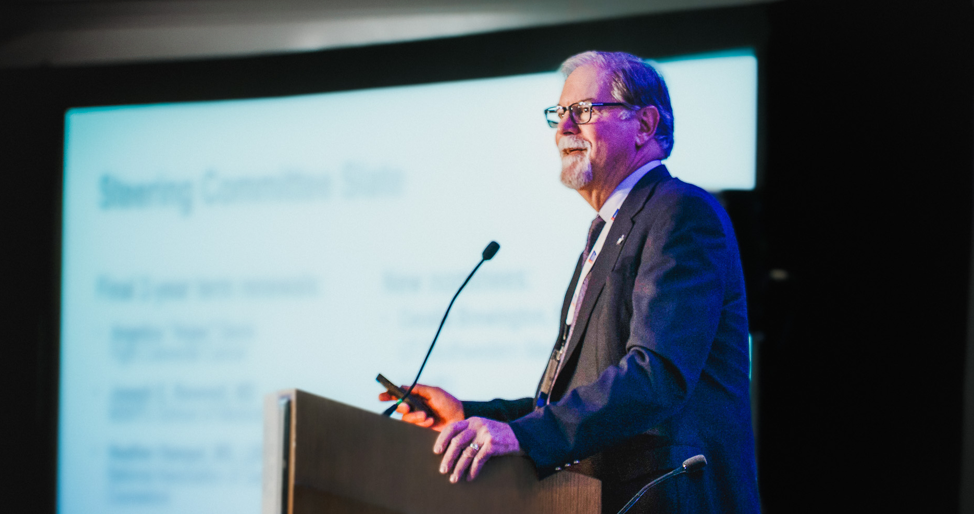
Webinar: Inside the New ACS Colorectal Cancer Screening Guidelines
This webinar provides an in-depth overview of the newly updated ACS CRC screening guidelines and the evidence supporting them, offering clarity on what these changes mean for screening and early detection.
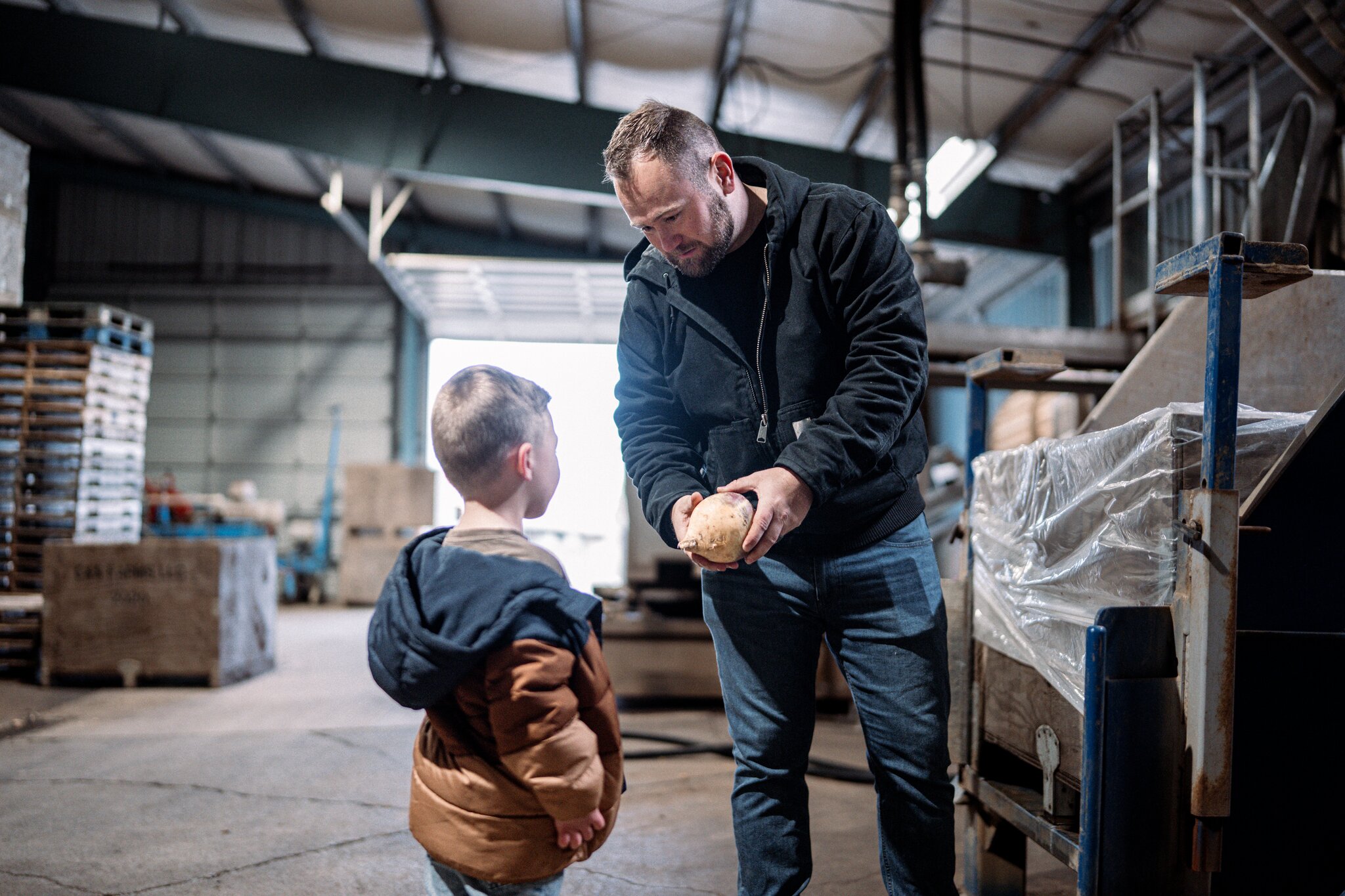
Increasing Colorectal Cancer Screening in Rural Communities: A Practical Guide
This guidebook is designed to support key community partners in understanding and overcoming the unique challenges and common barriers to CRC screening faced in rural communities.