CRC News: July 8, 2026
Welcome to the latest edition of CRC News, the American Cancer Society National Colorectal Cancer Roundtable (ACS NCCRT) newsletter for ACS NCCRT members and partners working together to save more lives from colorectal cancer (CRC).
New Blog: How ScreeND Helped Clinics Reach a Nearly 30% Improvement in CRC Screening Rates
Read Our Latest Blog on the Work of One of the 2026 National Achievement Honorees
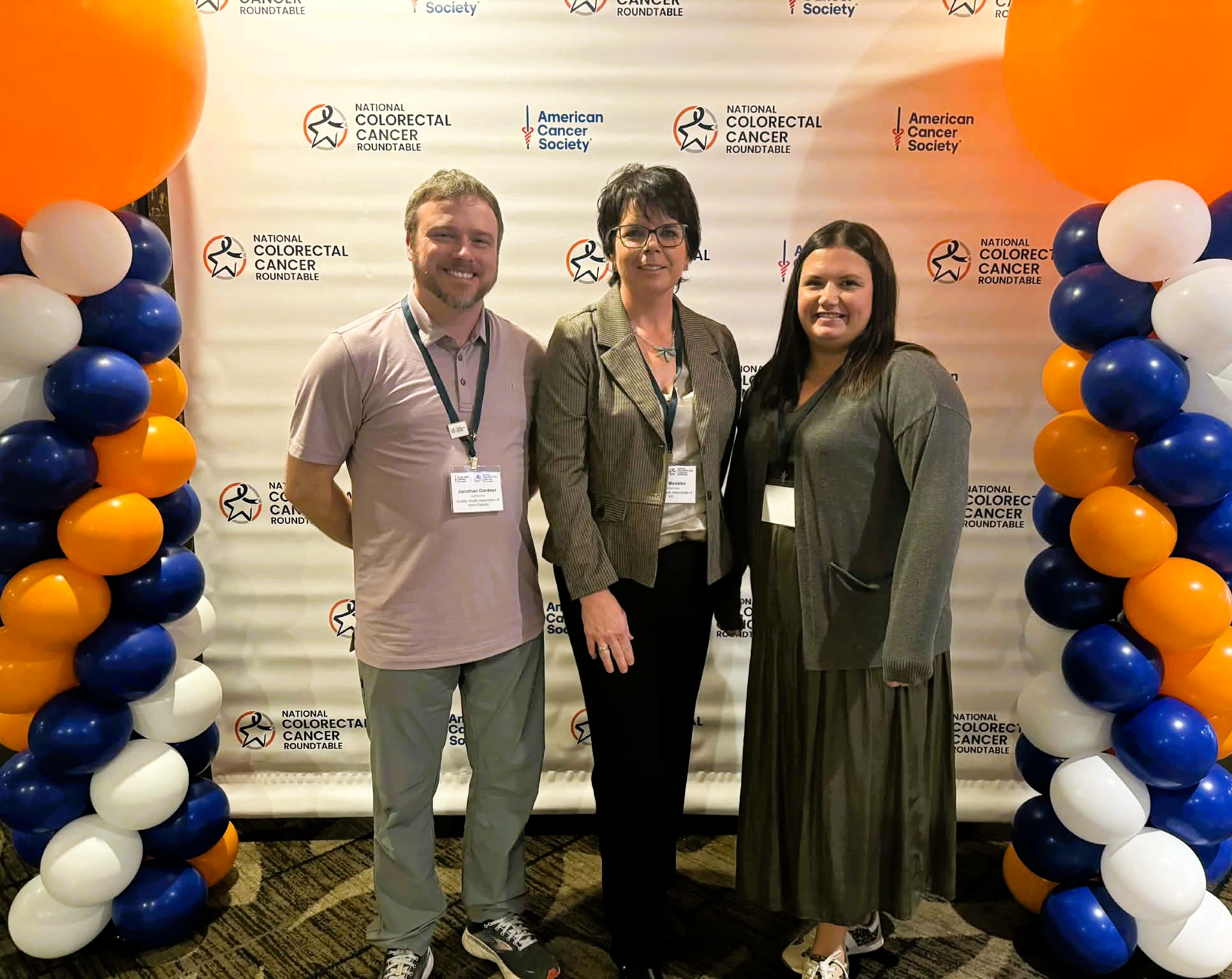
As part of a series, the ACS NCCRT is thrilled to highlight our Grand Prize Winner of the 2026 National Achievement Awards with an in-depth blog on their work. The ScreeND program at Mountain Pacific, formerly Quality Health Associates of North Dakota, mission to increase colorectal cancer (CRC) screening rates among rural, frontier, and Native American populations in North Dakota by implementing evidence-based interventions (EBIs), reducing structural barriers, and fostering sustainable system changes in primary care clinics rural health clinics. After being funded by the Center for Disease Control and Prevention’s CRC Control Program, they started working with a network of 21 clinics across 15 health systems, reaching more than 64,000 individuals. Through work with ScreeND, these clinics achieved an average of nearly 30% improvement, an overall relative improvement of nearly 250%, with several ultimately reaching the 80% target. To learn more how they worked towards screening more people in rural areas, lessons learned, and what was essential to their success, read their guest blog today!
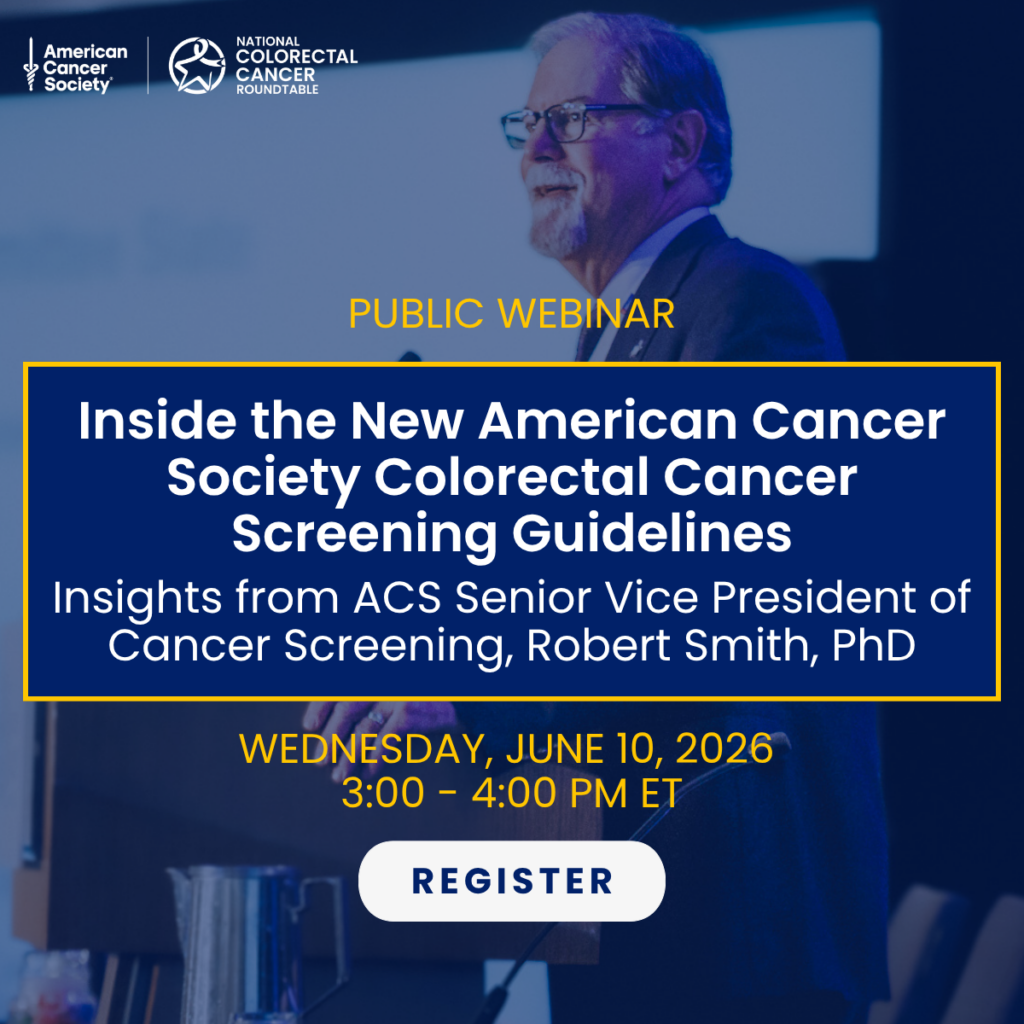
Recording Available: Updated ACS CRC Screening Guidelines & Webinar
Join us on June 10th learn more about the updated guidelines
On May 27th, the American Cancer Society (ACS) released updated colorectal cancer (CRC) screening guidelines, now published in CA: A Cancer Journal for Clinicians. This update reinforces that expanding access to a range of screening options can improve participation in CRC screening and ultimately save lives. While the recommended starting age for average-risk individuals remains at 45, the most significant change is the addition of a blood-based screening test available in a doctor’s office, alongside one updated and one new at-home stool-based option. To help you better understand these important changes, the ACS NCCRT held a special webinar on Wednesday, June 10, titled: Inside the New American Cancer Society Colorectal Cancer Screening Guidelines, featuring Senior Vice President of Cancer Screening at the ACS and ACS NCCRT Senior Scientific Advisor, Robert Smith, PhD, and ACS NCCRT Vice-Chair, Gloria Coronado, PhD. The recording and slides are now available in the ACS NCCRT Resource Center for anyone to review.
Registration Open: Expanding the CRC Screening Toolbox with Blood-based Screening Webinar
This ACS Webinar Series Highlights Emerging Strategies in Cancer Early Detection
As new screening modalities emerge, clinicians are increasingly navigating questions about where new technologies fit into their practice. This ACS webinar will provide a practical, clinically grounded overview of blood-based CRC screening. Designed for busy clinicians, this session will focus on actionable strategies to help increase CRC screening participation- while maintaining high-quality, evidence-based care.
By the end of this session, held on July 28 from 3-4pm ET, participants will be able to:
- Summarize evidence and performance of blood-based CRC screening
- Compare blood-based tests with FIT, stool DNA, and colonoscopy
- Identify appropriate patients based on risk, history, and guidelines
- Recognize limitations and follow-up needs after abnormal results
- Use tailored communication to support screening decisions and follow-up
Data Available: CDC Releases Latest United States Cancer Statistics
The Latest Data Covers New Cancers Diagnosed Through 2023 and Cancer Deaths Through 2024
The Centers for Disease Control and Prevention (CDC) recently released the latest United States Cancer Statistics (USCS), which includes more than 40 million cases and over 20 years of data. For the first time, this USCS release includes complete county-level data for new cancer cases reported in all 50 states, the District of Columbia, and Puerto Rico. Complete county-level data can improve understanding of how local, geographic, and environmental factors affect cancer prevention, treatment, survival, and survivorship care. Data are also available now with rural–urban stratification, enabling comparisons between rural and urban communities.
The latest USCS data release includes an updated Data Visualizations tool, that helps users easily explore data and create presentation-ready trend graphs, maps, and tables by state, county, and demographic characteristics.
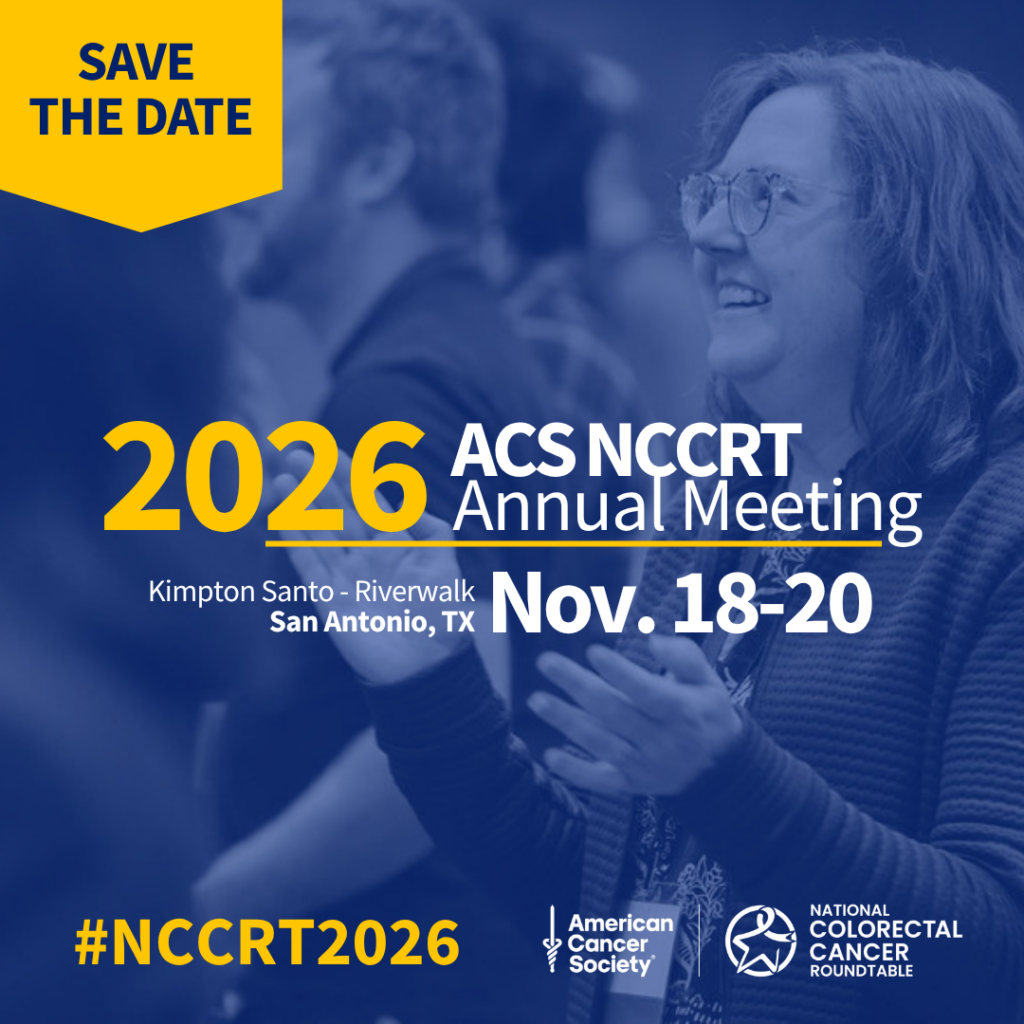
ICYMI: Save the Date for the 2026 ACS NCCRT Annual Meeting
Join Us in San Antonio For Our 30th Annual Meeting
We hope you will save the date to join us for the 2026 ACS NCCRT Annual Meeting, taking place November 18–20 in San Antonio, TX. Registration will open soon!
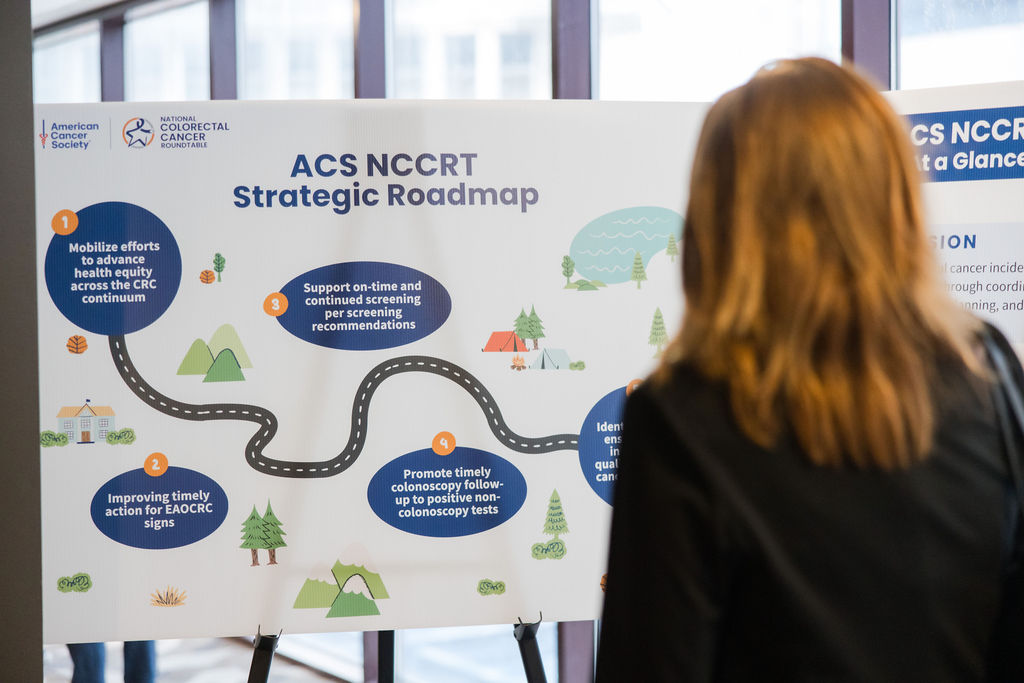
This year’s theme, 30 Years of Impact: Charting the Next Chapter in Colorectal Cancer, celebrates the Roundtable’s significant contributions over the past three decades while looking ahead to its next chapter. The theme aligns with the Roundtable’s new strategic roadmap and commitment to improving colorectal cancer outcomes for individuals and communities across the country.
Additional details, including agenda, registration information and how to book your hotel will, be shared in this newsletter and on the event webpage in the coming weeks. In the meantime, please mark your calendars!
Education Opportunity: ACS ECHOs Open for Registration
Both ECHOs Target Cancer Care Clinicians and Staff
Two ACS ECHO Cohorts have started or are about to start, are free, and open to oncology health care professionals.
- OncoMenopause ECHO: Join the ACS and The Menopause Society for the OncoMenopause ECHO, designed for primary care clinicians, oncologists, and healthcare leaders seeking to strengthen care for patients navigating menopause in the context of cancer care. Through case-based learning and expert-led discussion, participants will build competency in symptom assessment, treatment decision-making, and risk evaluation while applying evidence-based strategies across active treatment and survivorship. Sessions will be held monthly from July through December. Learn more and register here.
- Food is Medicine ECHO: Join the American Cancer Society and the Food Is Medicine Coalition for a six-session Food Is Medicine ECHO focused on integrating nutrition into cancer care. Designed for cancer center staff, oncologists, and multidisciplinary oncology care teams, this program equips participants with practical, evidence-based strategies to apply Food Is Medicine approaches in clinical settings. Through case-based learning and expert-led discussion, participants will explore the evidence base, address food access challenges, and implement approaches for screening, referral, and care delivery within real-world oncology and payment environments. Sessions will be held monthly from July through December. Learn more and register here.
Many thanks for the great work you do!
The ACS NCCRT Team
Do you have a colleague that would like to be added to receive our newsletter? Please encourage them to sign up to receive CRC News by following the link and scrolling to the bottom of the page to fill out the contact form.